In modern wireless engineering, accurate signal transmission is essential for ensuring reliable system performance and testing results. A RF test cable plays a critical role in connecting RF instruments, devices under test (DUT), and antennas while maintaining signal integrity across different frequency ranges.
For procurement engineers, this type of cable is not just a standard component. It is a precision interconnection solution that directly impacts measurement accuracy, system stability, and product validation efficiency.
What Is an RF Test Cable?
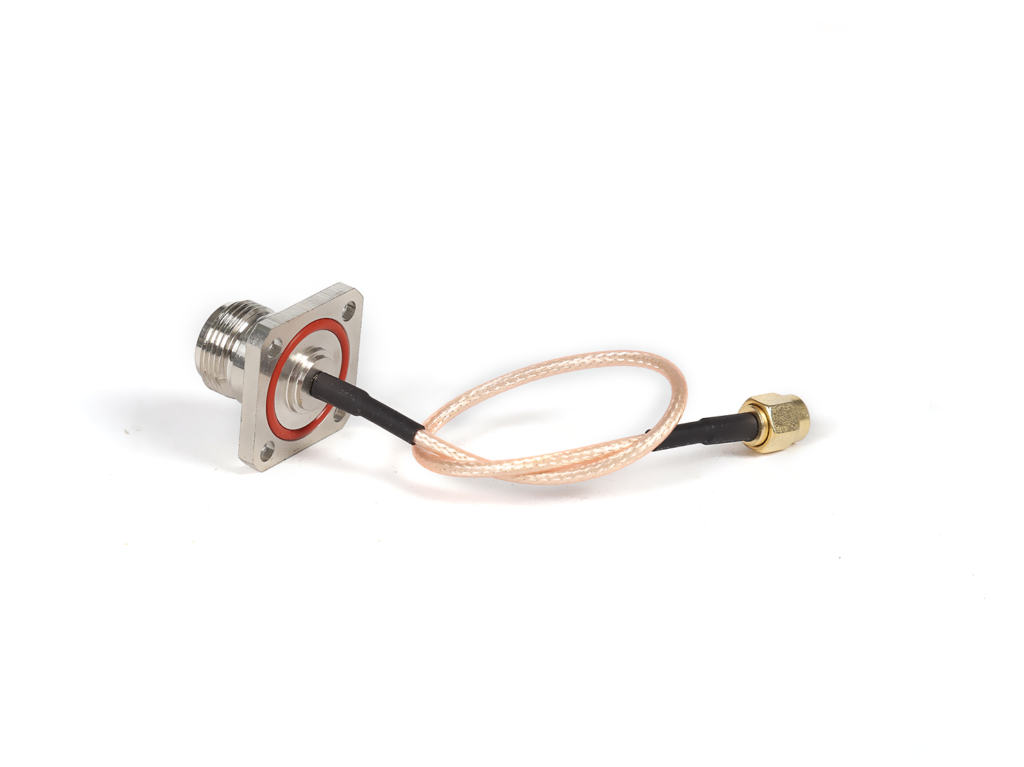
A RF test cable is a specialized coaxial interconnection product designed for RF measurement environments. It is optimized to reduce signal loss, minimize reflection, and maintain impedance stability during high-frequency transmission.
Compared with standard RF wiring, it is engineered with stricter performance control, including:
- Stable 50Ω impedance design
- Low insertion loss and return loss
- High shielding effectiveness against interference
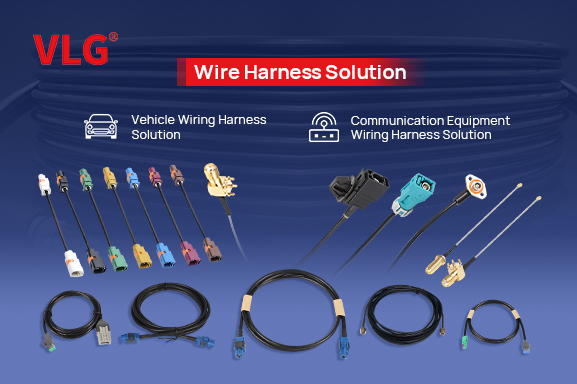
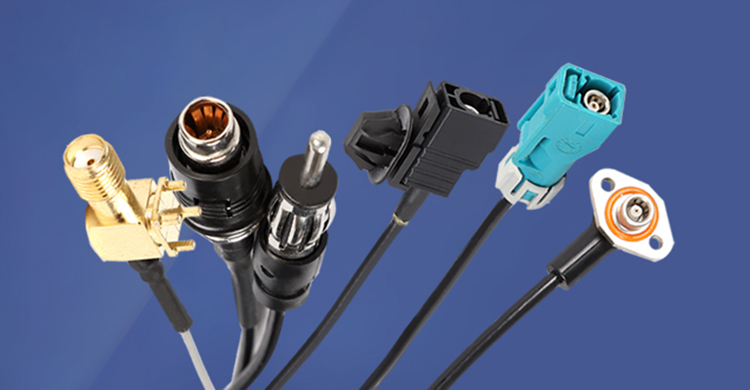
- Precision connectors such as SMA, BNC, N-type, and IPEX
These features ensure reliable signal transmission in laboratory and field testing environments.
Why Procurement Teams Use RF Test Cable Solutions
From a sourcing perspective, buyers select RF interconnection products based on performance stability and compatibility across systems.
Typical procurement requirements include:
- Stable measurement results in RF testing environments
- Reliable connection between instruments and DUT
- Reduced signal distortion and reflection
- Compatibility across multiple connector standards
- Long-term durability under repeated use
For example, in RF laboratories, BNC to SMA configurations are commonly used to connect signal generators, spectrum analyzers, and oscilloscopes.
Application Scenarios Across Industries
A RF test cable is widely used in multiple engineering fields where accurate signal transmission is required.
1. RF Testing and Measurement Laboratories
It ensures stable signal transfer between instruments and devices under test, improving measurement accuracy and repeatability.
2. IoT and Embedded Devices
In compact IoT systems, internal RF modules require reliable connection to external antennas or test equipment for validation.
3. Wireless Communication Systems
It is used in Wi-Fi, LTE, Bluetooth, and 5G development to ensure stable signal performance during testing and debugging.
4. Automotive and GNSS Systems
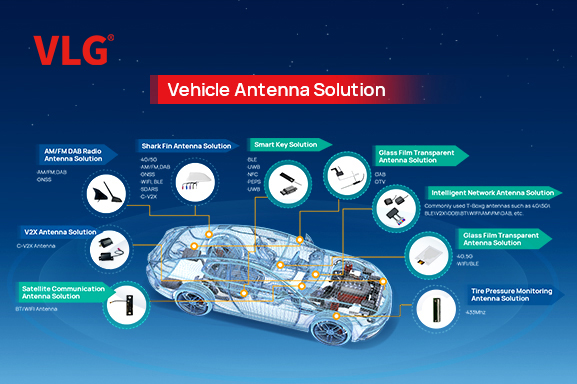
Modern vehicles rely on GNSS positioning and wireless communication systems where signal stability is critical.
Key Technical Considerations
When selecting an RF test cable, procurement engineers typically evaluate:
- Frequency range (DC to 6GHz or higher)
- Insertion loss performance
- Return loss and impedance matching
- Connector compatibility (BNC, SMA, N-type, IPEX, etc.)
- Shielding effectiveness against EMI
- Mechanical flexibility and vibration resistance
Different applications require different configurations. For example, SMA to IPEX designs are widely used in compact IoT devices, while BNC-based assemblies are preferred in laboratory environments.
VLG Engineering and Quality Assurance Capability
Reliable RF performance depends on manufacturing precision and testing capability. VLG ensures product consistency through a strong engineering system:
- 6 global R&D centers
- 100+ RF engineering specialists
- 100+ patented RF technologies
- 18 microwave anechoic chambers (SATIMO, ETS, Bluetest systems)
- ISO 9001, ISO 14001, and IATF 16949 certified production system
Each RF interconnection product is validated under real RF conditions to ensure stable performance in practical applications.
Why RF Test Cable Performance Matters
In RF systems, even small signal deviations can significantly impact measurement accuracy and system performance.
Poor-quality cables may lead to:
- Signal attenuation
- Impedance mismatch
- Phase instability
- Measurement deviation
In contrast, high-quality RF interconnect solutions help ensure:
- Stable and repeatable measurement results
- Reduced signal distortion
- Improved system calibration accuracy
- Long-term reliability in RF environments
For procurement teams, this directly improves testing efficiency and reduces system failure risks.
FAQ
Q1: What is an RF test cable used for?
It is used to connect RF instruments and devices under test for accurate signal transmission in measurement environments.
Q2: How is it different from a standard RF cable?
It is designed with stricter performance requirements, including lower loss, better shielding, and higher phase stability.
Conclusion
A RF test cable is an essential component in modern RF measurement systems, ensuring stable and accurate signal transmission across testing and validation environments.
For procurement engineers and R&D teams, selecting a reliable supplier is critical to achieving consistent performance and reducing testing risks. With strong engineering capability and advanced manufacturing systems, VLG provides high-quality RF interconnection solutions for global RF applications.









 Home >
  +86 186 8871 1070


