In modern wireless communication systems, the performance of every connection matters. Whether in IoT devices, automotive electronics, or RF testing environments, a stable signal path determines system reliability. This is where a high-quality rf cable becomes a critical component rather than a simple accessory.
As RF systems continue to shrink in size while increasing in complexity, procurement teams face a growing challenge: selecting RF interconnect solutions that ensure signal integrity, mechanical durability, and long-term stability.
VLG, founded in 2005, is a national high-tech enterprise specializing in antenna and RF-related solutions. With ISO-certified production systems, 100+ engineers, and advanced anechoic chamber testing capabilities, the company supports global customers with reliable RF connectivity solutions for automotive, IoT, and GNSS applications.
Why RF Cable Quality Matters in Procurement Decisions
From a buyer’s perspective, an rf cable is not just a physical connector. It directly affects system performance. Poor cable quality may lead to signal loss, impedance mismatch, or unstable data transmission, especially in high-frequency applications up to 6 GHz and beyond.
Procurement engineers typically evaluate RF cables based on:
- Signal loss (insertion loss)
- VSWR stability
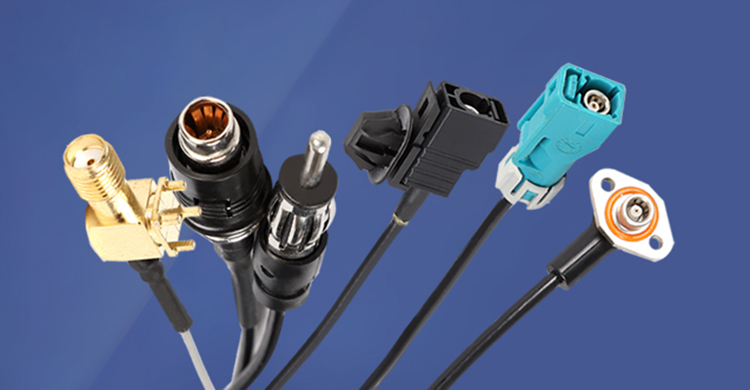
- Connector compatibility (SMA, IPEX, U.FL, etc.)
- Mechanical flexibility
- Environmental durability
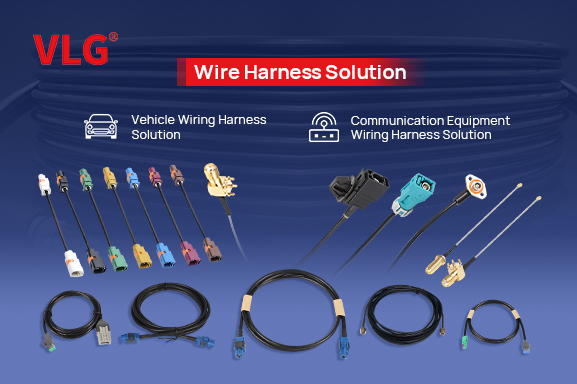
For example, in compact IoT devices, internal space is limited. A poorly designed cable can cause routing issues or signal interference. Therefore, buyers often prioritize precision-engineered solutions such as SMA to IPEX RF adapter cables.
Application Scenarios of RF Cable in Modern Industries
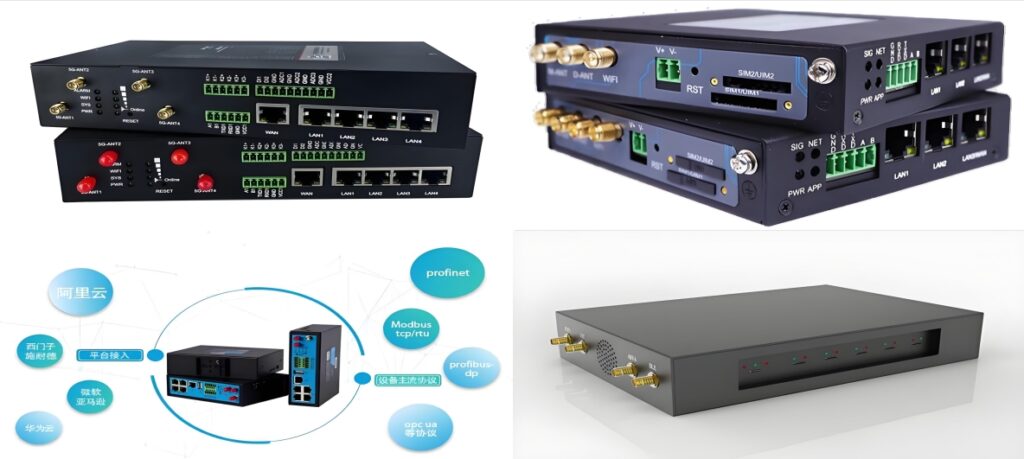
A well-designed rf cable is widely used across multiple industries. Based on procurement demand trends, the most common application scenarios include:
1. IoT and Embedded Systems
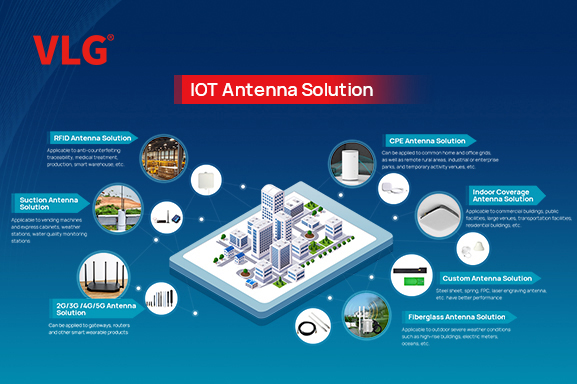
IoT devices often require miniature connectors such as IPEX or U.FL. RF cables act as a bridge between internal modules and external antennas, ensuring stable wireless communication in compact environments.
2. Wireless Communication Equipment
In devices such as Wi-Fi modules, LTE routers, and Bluetooth systems, RF cables connect antennas to RF circuits. This ensures stable transmission across 4G and emerging 5G networks.
3. RF Testing and Laboratory Use
During product development, engineers use RF cables to connect DUT (Device Under Test) with test instruments. Accuracy and low-loss performance are essential to ensure reliable test results.
4. Automotive and GNSS Systems
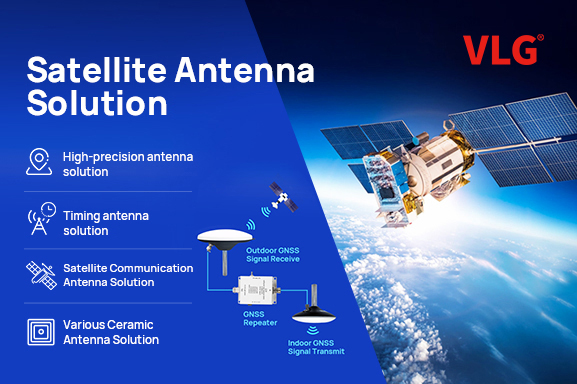
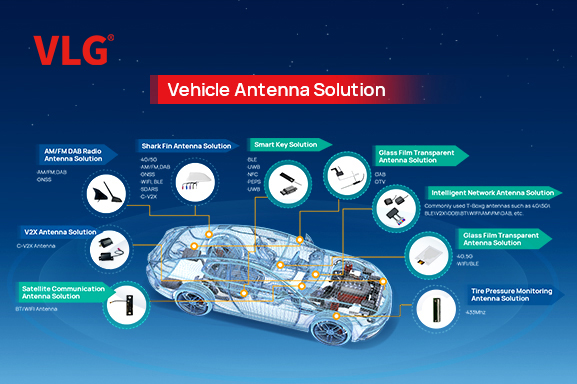
Modern vehicles rely on GNSS positioning, V2X communication, and telemetry systems. RF cables ensure stable signal transfer between antennas and onboard units.
Technical Considerations for Procurement Teams
When sourcing an rf cable, procurement specialists must evaluate both electrical and mechanical performance.
Key technical parameters include:
- Frequency range (commonly up to 6 GHz or higher)
- Impedance matching (typically 50 ohm)
- Connector type compatibility (SMA, IPEX, MMCX)
- Shielding effectiveness
- Temperature resistance and vibration durability
For example, VLG’s SMA female to IPEX adapter cable is designed for space-limited applications while maintaining low signal loss. It is widely used in IoT modules, RF testing systems, and embedded wireless devices.
Why Engineering Capability Matters in RF Cable Manufacturing
Not all RF cables are created equal. Procurement buyers increasingly evaluate suppliers based on engineering strength rather than just pricing.
VLG demonstrates strong EEAT signals through:
- 6 global R&D centers
- 100+ RF engineers
- 100+ patented technologies
- 18 microwave anechoic chambers (SATIMO, ETS, Bluetest systems)
- IATF 16949 automotive-grade manufacturing system
This level of engineering capability ensures that every rf cable is tested under real RF conditions, not just theoretical standards.
How RF Cable Impacts Total System Performance
In RF system design, even small signal losses can accumulate across components. A poorly matched cable may reduce antenna efficiency or degrade communication stability.
A high-quality rf cable helps:
- Maintain stable impedance across the transmission path
- Reduce reflection and signal attenuation
- Improve overall antenna performance
- Enhance system reliability in harsh environments
For procurement teams, this means fewer system failures, lower maintenance costs, and better end-user performance.
FAQ
Q1: What is an rf cable used for?
An RF cable is used to transmit high-frequency signals between antennas, modules, and RF devices. It is commonly used in IoT systems, wireless communication, automotive electronics, and RF testing environments.
Q2: How do I choose the right rf cable for my project?
You should consider frequency range, connector type, insertion loss, shielding performance, and environmental requirements. For compact devices, SMA to IPEX RF cables are commonly used.
Q3: What is the difference between RF cable and antenna cable?
An RF cable is a general term for signal transmission cables, while an antenna cable specifically connects antennas to RF modules. In many cases, both terms overlap in practical use.
Conclusion
For procurement teams, selecting a reliable rf cable is not just a component purchase—it is a system-level decision that impacts performance, stability, and long-term product reliability. With increasing demand for IoT, automotive connectivity, and RF testing accuracy, high-quality RF interconnect solutions have become essential.
Manufacturers like VLG, with strong R&D capability and strict quality control systems, provide engineering-grade RF cable solutions designed to meet modern wireless communication challenges.









 Home >
  +86 186 8871 1070


