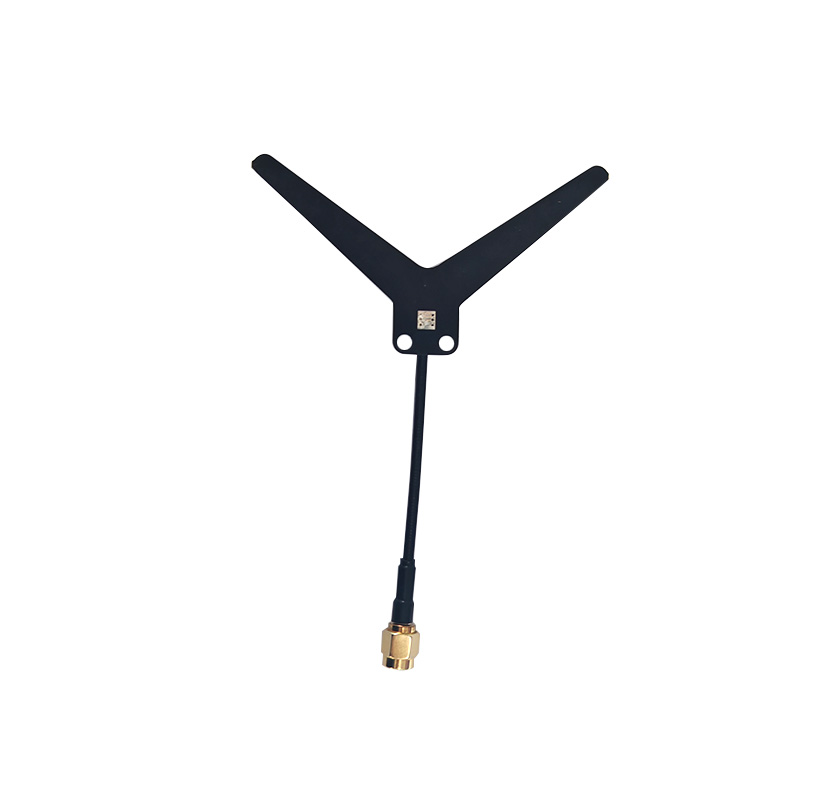
Radar antennas are fundamental components of radar systems, and their operation is based on the principles of electromagnetic wave propagation, reflection, and detection. The basic function of a radar antenna is to transmit electromagnetic waves into space, receive the reflected waves from targets, and convert these electromagnetic signals into electrical signals that can be processed to obtain information about the targets.
At the heart of radar operation is the transmission of electromagnetic waves. The radar transmitter generates high – frequency electromagnetic signals, which are then fed into the antenna. The antenna acts as a transducer, converting the electrical energy from the transmitter into electromagnetic energy and radiating it into the surrounding space. The choice of frequency for the transmitted waves depends on the application of the radar system. For example, lower – frequency radar systems (such as VHF and UHF radars) are often used for long – range surveillance as they can penetrate obstacles like clouds and rain more effectively, while higher – frequency radars (such as X – band and Ku – band radars) offer higher resolution and are suitable for applications like air traffic control and weather monitoring.
Once the electromagnetic waves are transmitted, they propagate through space until they encounter a target. When the waves hit an object, a portion of the energy is scattered in various directions, and some of it is reflected back towards the radar antenna. The amount of energy reflected depends on several factors, including the size, shape, material, and orientation of the target. Larger and more metallic objects generally reflect more energy. The reflected waves, also known as echo signals, are then received by the radar antenna. The antenna captures these incoming electromagnetic waves and converts them back into electrical signals. This conversion is based on the principle of electromagnetic induction, where the changing electromagnetic field of the incoming waves induces an electric current in the antenna elements.
After the antenna receives the echo signals and converts them into electrical signals, these signals are sent to the radar receiver for further processing. The receiver amplifies the weak electrical signals, filters out unwanted noise, and performs various signal – processing operations. One of the key operations is measuring the time delay between the transmission of the original signal and the reception of the echo signal. This time delay is directly related to the distance of the target from the radar. By multiplying the time delay by the speed of light (the speed at which electromagnetic waves propagate), the range of the target can be calculated. Additionally, the frequency shift of the echo signal, known as the Doppler effect, can be analyzed to determine the target’s velocity. By continuously transmitting and receiving electromagnetic waves and processing the resulting signals, radar antennas enable the detection, tracking, and identification of targets in various environments, making them indispensable tools in many fields.












 Home >
  +86 186 8871 1070


