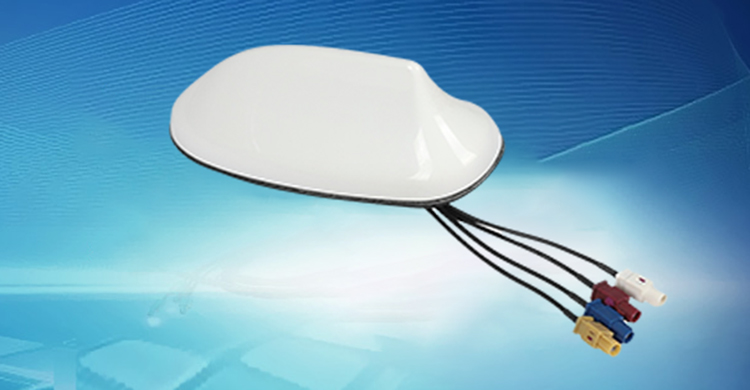
The VLG V1863-001-A-01 combination antenna integrates LTE, Wi-Fi, Bluetooth and GNSS functions in a round housing. For an EV charger antenna project, it offers an assembly to evaluate where several wireless functions are required. Start with the charging equipment architecture: a fixed charger may need fewer RF functions than mobile equipment or a connected service terminal.
Key specifications and selection criteria
| Item |
Details |
| Model |
V1863-001-A-01 |
| LTE |
700–960 / 1710–2690 MHz |
| Wi-Fi |
2400–2500 / 5150–5850 MHz |
| Bluetooth |
2400–2500 MHz |
| GNSS |
GPS L1 / BeiDou B1 |
| GNSS supply / LNA |
2.8–3.6 V; 20 ± 3 dB |
| Dimensions |
Diameter 120 × 43.3 mm |
| Housing / temperature |
IP67; −40 to +85 °C |
Choose only the wireless functions the charger requires
The cellular path can support remote connectivity through a compatible modem. Wi-Fi and Bluetooth serve the host’s local wireless functions, while GNSS provides satellite signals to a receiver if positioning or timing is part of the design. The presence of an antenna path does not make that function mandatory for the charger.
Mount clear of a shielding cabinet
A metal charger enclosure can obstruct an internally positioned antenna. Evaluate the proposed housing location, mounting surface and cable route before selecting the assembly. Confirm the released mounting drawing: the design specification describes several mounting approaches, so the project version should explicitly define the retention and seal.
Check coexistence and installation loss
Test the charger with its communication radios and power electronics operating. Compare cellular performance and local wireless coverage using the actual cable lengths. The Wi-Fi performance varies by band in the reference measurements, making a band-specific review more useful than a single high-gain claim.
Define the feed and power arrangement
Map every RF lead to its function and verify the connector coding. The active GNSS path requires a suitable bias supply. Review cable strain relief and protection at the cabinet entry in addition to the housing’s specified IP rating.
Frequently asked questions
Does every EV charger need GNSS?
No. Select the functions required by the equipment design. A charger needing only cellular connectivity may use a simpler antenna.
Can the antenna be installed inside a metal charging cabinet?
Assess the shielding and available RF window. An externally positioned antenna may be more appropriate where the cabinet blocks reception.
Explore related embedded cellular antenna products for your project.
Discuss your antenna project with VLG
Send VLG your required frequency bands, radio or receiver model, available installation space and cable requirements. Include the target application and order quantity so the team can review a suitable antenna configuration.
Request antenna specifications, samples or an OEM quotation.









 Home >
  +86 186 8871 1070


