gps antenna technology has become a core component in modern positioning, navigation, and intelligent infrastructure systems. As industries shift toward higher accuracy and real-time connectivity, the demand for stable and interference-resistant antenna systems continues to grow. In automotive networks, transportation infrastructure, and IoT ecosystems, performance depends heavily on how reliably a signal can be captured and maintained. VLG focuses on delivering antenna solutions that address these real-world challenges through engineering precision and scalable manufacturing capability.
Why GPS Antenna Performance Matters in Real Applications
A gps antenna is not just a receiving component. It directly impacts positioning accuracy, system stability, and communication efficiency. In complex environments such as urban roads or high-speed mobility systems, weak signal handling can lead to data loss or positioning deviation.
Key performance expectations include:
- Stable signal reception under multi-path interference
- Compatibility with multi-band GNSS systems
- Low noise amplification for high-precision timing
- Long-term durability in outdoor environments
- Seamless integration into embedded systems
For companies seeking an automotive GPS antenna supplier, these factors often determine whether a system can operate reliably at scale or fail under real-world conditions.
Application Scenarios Across Industries
Modern antenna systems are designed for multiple positioning and communication environments. Different industries require different performance priorities, especially when integrating navigation, tracking, and timing functions.
Automotive and Fleet Systems
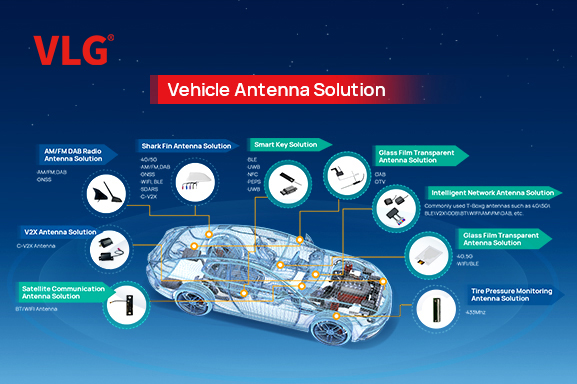
In connected vehicles, antennas support navigation, fleet tracking, and vehicle-to-infrastructure communication. A stable signal ensures continuous data flow, which is essential for logistics optimization and smart mobility systems.
Precision Positioning and RTK Systems
Surveying, mapping, and autonomous applications require centimeter-level accuracy. A high-performance rtk antenna ensures phase stability and reduces positioning drift, especially in dynamic environments.
Satellite Communication and Mobility Networks
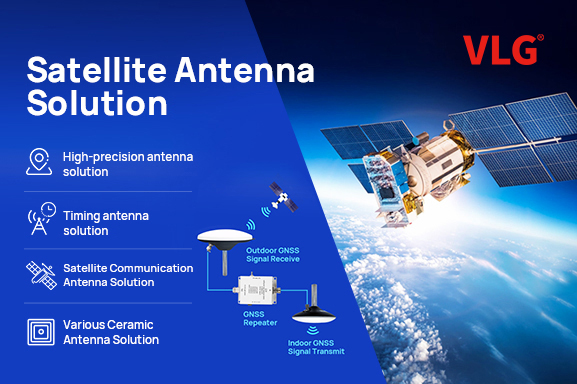
In remote or high-mobility scenarios, terrestrial networks may not be available. A reliable satellite radio antenna ensures continuous connectivity for data transmission and system coordination.
RSU GPS Antenna Technical Overview
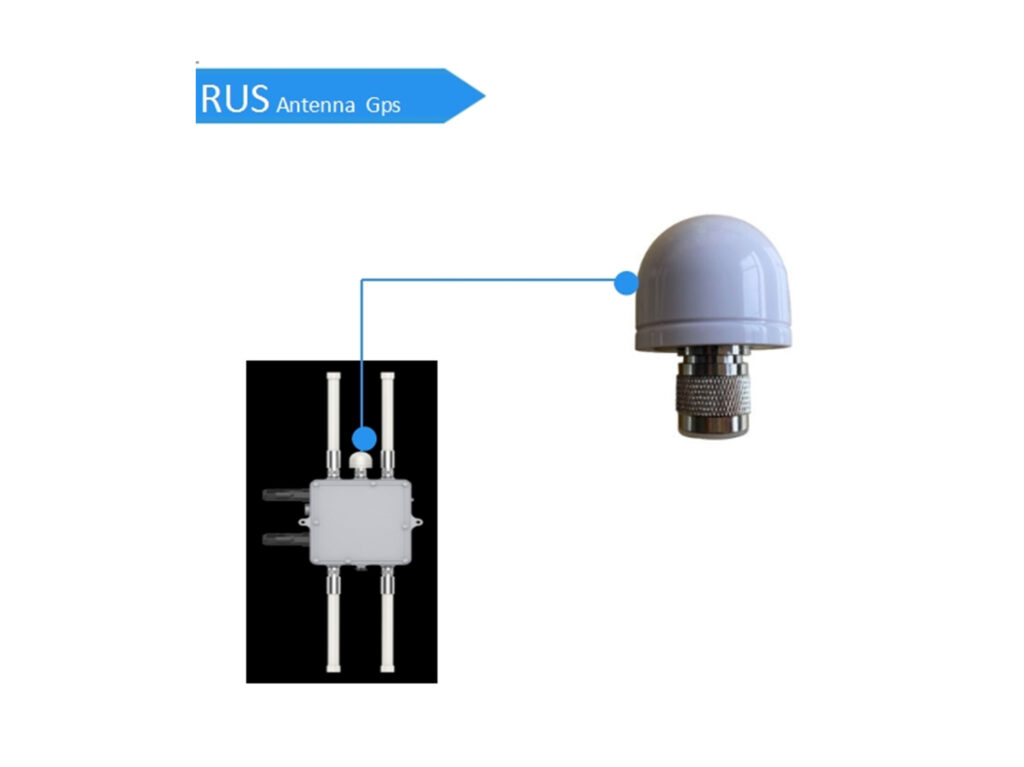
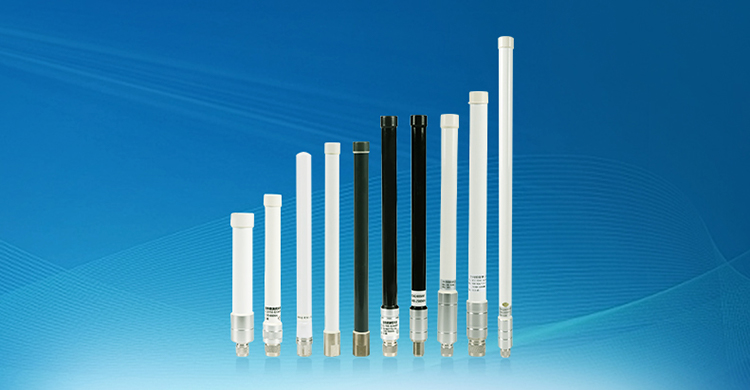
One of the representative solutions from VLG is the RSU GPS Antenna, designed for intelligent transportation and roadside infrastructure systems. It combines GNSS timing precision with robust environmental resistance.
Technical Specifications Table
| Parameter |
Specification |
| Frequency Range |
GPS L1 / BDS B1 |
| LNA Gain |
28 ± 2 dBi |
| Passive Gain |
2.0 dBi |
| Polarization |
RHCP |
| Impedance |
50Ω |
| VSWR |
<2.5 |
| Dimensions |
Φ42 × 57 mm / Φ42 × 270 mm |
| Operating Temperature |
-40℃ to +75℃ |
| Waterproof Grade |
IP66 |
| Connector Type |
N-J / N-K |
| Environment |
Outdoor |
This RSU GPS Antenna is widely used in:
- Highway toll collection systems
- Smart city traffic management
- Parking infrastructure monitoring
- Vehicle networking and RSU communication systems
Its design ensures long-term stability in harsh outdoor conditions, making it suitable for continuous deployment in transportation networks.
Engineering Strength Behind Antenna Development
Antenna performance depends not only on design but also on manufacturing precision and testing capability. VLG operates multiple R&D centers and advanced testing facilities, enabling full-cycle product validation from simulation to mass production.
For organizations evaluating a ceramic GPS antenna factory, consistency in material processing and RF performance is critical. Ceramic-based antenna structures provide:
- High dielectric stability for GNSS frequencies
- Compact integration for embedded systems
- Strong resistance to environmental aging
- Improved signal efficiency in constrained spaces
These characteristics make ceramic-based designs suitable for compact automotive modules and industrial IoT devices.
Comparison of Antenna Solution Requirements
Different system architectures require different antenna configurations. The table below highlights typical selection considerations:
| Application Type |
Key Requirement |
Recommended Focus |
| Automotive systems |
Stability in motion |
Anti-interference + multi-band support |
| RTK positioning |
Centimeter accuracy |
Phase stability + low noise |
| Infrastructure RSU |
Long-term outdoor use |
Waterproof + high gain LNA |
| Satellite communication |
Coverage continuity |
Wide-area signal reception |
| IoT devices |
Compact integration |
Ceramic design + low power loss |
This comparison helps system designers evaluate antenna performance based on operational environments rather than only specifications.
Why System Integrators Prioritize Reliable Antenna Partners
When integrating positioning systems at scale, consistency becomes more important than isolated performance metrics. A reliable antenna partner ensures stable production, predictable RF behavior, and long-term supply continuity.
VLG supports this requirement through:
- Multi-site R&D and engineering collaboration
- Large-scale automated production systems
- Strict international quality certification compliance
- Over 100 RF-related patents and technical innovations
These capabilities make it suitable for long-term deployment projects across automotive and infrastructure sectors.
FAQ
What is a GPS antenna used for?
A GPS antenna receives satellite signals and converts them into positioning data used in navigation, timing, and tracking systems.
What is the difference between GPS antenna and RTK antenna?
A standard GPS antenna provides positioning data, while an RTK antenna supports high-precision positioning with centimeter-level accuracy.
Can satellite antennas be used in vehicles?
Yes, a satellite radio antenna can be integrated into vehicles to maintain communication in remote or network-limited areas.
Conclusion
As positioning technologies continue to evolve, industries increasingly depend on reliable and high-performance gps antenna systems to support navigation, timing, and communication functions. From automotive integration to RTK precision applications and satellite connectivity, antenna design plays a decisive role in system performance. With advanced engineering capability and scalable manufacturing strength, VLG delivers antenna solutions that meet the demands of modern GNSS ecosystems across global applications.










 Home >
  +86 186 8871 1070


