Wireless communication has quietly become the nervous system of modern industrial environments. From factory automation and AGV navigation to smart city infrastructure and remote monitoring systems, reliable signal transmission now affects operational efficiency as directly as power supply or network stability. Yet many communication failures still begin with one overlooked component: the antenna.
Weak signal coverage, unstable transmission, excessive interference, and poor outdoor durability can quickly interrupt industrial wireless systems. That is why selecting a dependable industrial 2.4 ghz antenna manufacturer has become increasingly important for organizations building long-term IoT and wireless communication networks.
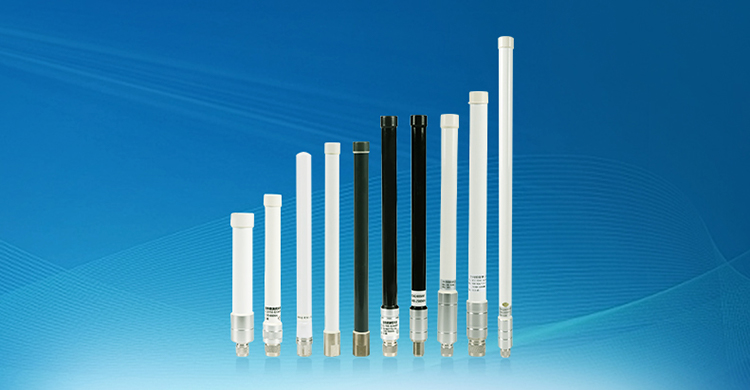
VLG, a high-tech antenna enterprise with more than 350 employees and over 100 R&D engineers, focuses on advanced antenna and wireless connectivity solutions. Its TY-2425-8Q17AWD1E omnidirectional fiberglass antenna is specifically designed for industrial wireless environments that require stable 2.4GHz communication, rugged outdoor reliability, and flexible deployment capability.
Why 2.4GHz Antennas Remain Essential in Industrial Networks
Although newer wireless frequencies continue emerging, the 2.4GHz band remains one of the most widely used industrial communication frequencies because of its balanced signal coverage, penetration capability, and compatibility.
Industrial wireless systems often rely on 2.4GHz networks for:
- Smart factory communication
- Industrial WiFi coverage
- IoT gateways
- Automated warehouse systems
- Wireless monitoring devices
- AGV communication
- Remote data collection
- Smart city infrastructure
Compared with higher-frequency solutions, 2.4GHz signals generally offer more stable obstacle penetration and broader coverage areas, especially inside complex industrial environments filled with metal equipment and structural barriers.
However, maintaining stable communication requires more than simply installing a router or wireless module. The antenna itself directly affects signal quality, coverage consistency, and long-term network reliability.
Common Wireless Problems in Industrial Environments
Industrial communication environments are rarely clean or predictable. Unlike office spaces, factories and outdoor facilities expose antennas to vibration, moisture, heat fluctuations, and electromagnetic interference.
Many standard consumer-grade antennas struggle in these conditions.
Signal Instability Around Metal Equipment
Large industrial machines, metal shelving, and enclosed structures can weaken wireless signals or create unstable communication zones.
A high gain omnidirectional wifi antenna helps maintain more consistent signal coverage across changing industrial layouts.
Outdoor Weather Exposure
Rain, humidity, sunlight, and temperature changes gradually damage low-quality antenna materials.
Industrial outdoor systems require antennas capable of long-term operation under difficult environmental conditions.
Frequent Maintenance Interruptions
Some low-cost antennas lose stability over time, requiring repeated maintenance or replacement.
For large-scale industrial deployments, these interruptions increase operational costs and reduce network reliability.
The TY-2425-8Q17AWD1E addresses these challenges through industrial-grade fiberglass construction, stable gain performance, and wide environmental adaptability.
Key Features of the TY-2425-8Q17AWD1E Antenna
VLG designed this omnidirectional industrial antenna specifically for stable 2.4GHz wireless communication applications.
Stable 2.4GHz Frequency Support
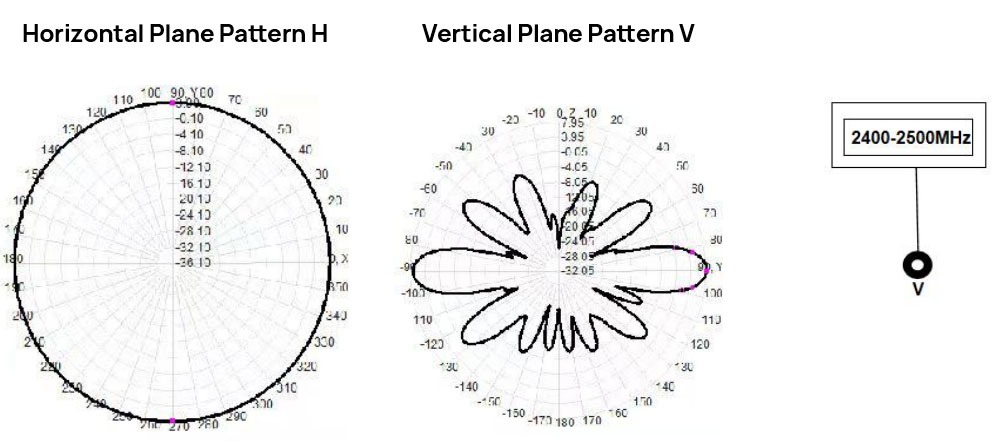
The antenna operates within the 2400-2500MHz frequency range, making it highly suitable for industrial WiFi, IoT communication, and wireless automation systems.
This frequency range supports:
- Industrial wireless LAN
- Smart manufacturing systems
- Wireless sensor networks
- Automated logistics communication
- Intelligent monitoring systems
High 8dBi Gain for Extended Coverage
Signal strength becomes increasingly important in larger industrial facilities.
The TY-2425-8Q17AWD1E provides:
- 8±1dBi gain
- 360° horizontal beamwidth
- Stable vertical polarization
- 17±5° vertical beamwidth
This combination improves long-distance signal transmission while maintaining broad coverage across operational areas.
For factories, warehouses, and outdoor installations, stronger signal reach can reduce communication dead zones and improve overall network consistency.
Industrial-Grade Fiberglass Structure
Many industrial deployments require outdoor or semi-outdoor installation.
The antenna uses matte black fiberglass radome material designed for:
- Corrosion resistance
- UV resistance
- Environmental durability
- Stable long-term performance
Compared with lower-grade plastic housings, fiberglass structures provide better mechanical protection in demanding industrial environments.
Reliable VSWR Performance
Stable antenna efficiency directly affects communication quality.
The TY-2425-8Q17AWD1E maintains:
- VSWR ≤2.0
- 50Ω impedance
- Maximum input power of 100W
These specifications help reduce signal reflection and improve transmission efficiency.
Industrial Scenarios Where This Antenna Performs Best
Different wireless projects require different deployment strengths. The TY-2425-8Q17AWD1E performs particularly well in environments demanding stable omnidirectional communication.
Smart Factory Wireless Coverage
Modern manufacturing systems increasingly rely on wireless communication between machines, sensors, and control platforms.
This industrial 2.4 ghz antenna for smart factory applications supports:
- Wireless PLC communication
- Machine monitoring
- Automated production systems
- Real-time equipment data transfer
Its omnidirectional design allows broad-area signal distribution without requiring constant antenna repositioning.
AGV and Warehouse Automation
Automated guided vehicles require continuous wireless connectivity while moving through complex warehouse routes.
Stable signal transmission helps:
- Prevent communication delays
- Improve navigation accuracy
- Reduce automation interruptions
- Maintain centralized monitoring
Outdoor Monitoring Systems
Many infrastructure systems operate outdoors under changing environmental conditions.
Applications include:
- Smart city monitoring
- Traffic systems
- Remote environmental sensors
- Security surveillance networks
The fiberglass housing helps maintain reliable communication performance despite rain, heat, or humidity exposure.
What Buyers Usually Compare Before Choosing an Industrial Antenna
Industrial communication systems are long-term investments. Buyers typically compare several factors before selecting an antenna supplier.
Gain vs Coverage Stability
Higher gain does not always mean better real-world performance.
Some extremely high-gain antennas narrow the coverage angle too aggressively, creating unstable signal zones.
The 8dBi design of this omnidirectional industrial antenna balances coverage distance with signal consistency.
Fiberglass vs Plastic Housing
Outdoor industrial deployments often favor fiberglass because it offers:
- Better structural durability
- Improved weather resistance
- Longer operational lifespan
- Stronger protection against environmental stress
Plastic housings may reduce cost initially but often degrade faster in harsh environments.
Installation Flexibility
Industrial projects rarely use identical installation environments.
The TY-2425-8Q17AWD1E supports machine installation and allows adjustable mounting height based on deployment conditions.
VLG also recommends avoiding nearby large metal obstructions to maintain optimal signal performance.
Why VLG Stands Out in Industrial Antenna Manufacturing
Wireless infrastructure depends heavily on engineering capability and production consistency.
VLG strengthens its antenna manufacturing capability through:
- More than 100 R&D engineers
- Over 100 invention and utility patents
- Dedicated doctoral and master engineering teams
- Advanced darkroom testing equipment
- Global wireless solution experience
- Antenna customization capability
- IoT and NTN network expertise
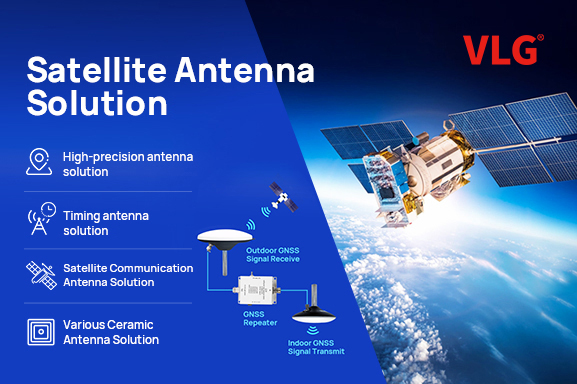
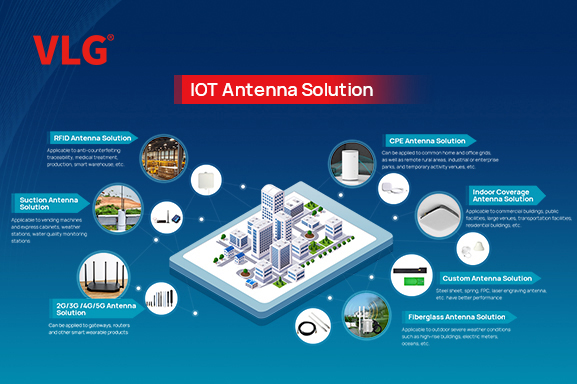
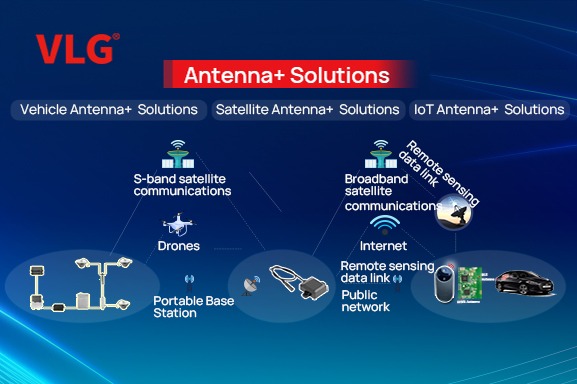
The company supports industries ranging from smart transportation and industrial IoT to satellite communication and smart city infrastructure.
Its engineering-driven approach allows customers to receive both standard antenna products and customized wireless solutions tailored to specific deployment requirements.
Conclusion
As wireless infrastructure becomes increasingly important in industrial environments, choosing the right industrial 2.4 ghz antenna manufacturer directly affects communication stability, operational efficiency, and long-term system reliability.
The VLG TY-2425-8Q17AWD1E omnidirectional fiberglass antenna combines durable construction, stable 2.4GHz communication performance, broad signal coverage, and industrial-grade reliability into a practical wireless solution for smart factories, warehouse automation, outdoor monitoring, and IoT communication systems.
For organizations seeking stable industrial wireless connectivity with flexible deployment and long-term durability, VLG provides a professional antenna solution built for real-world industrial communication challenges.









 Home >
  +86 186 8871 1070


