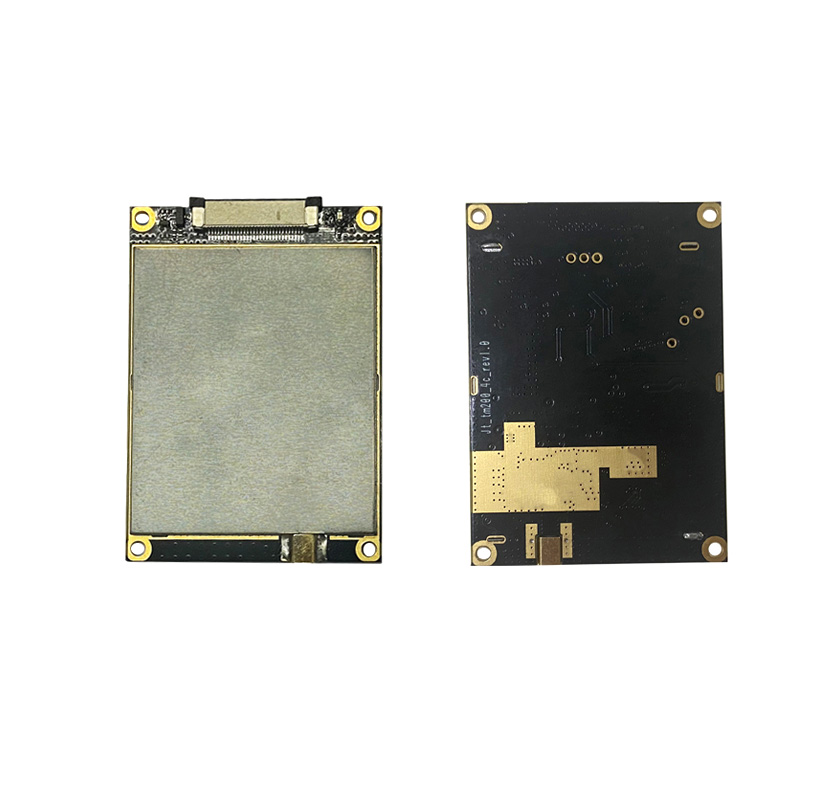
Smart WIFI antennas represent a significant advancement in wireless communication technology, incorporating advanced signal processing and adaptive technologies to enhance network performance and user experience. These antennas are designed to dynamically adjust their radiation patterns, gain, and other parameters based on real-time conditions, such as the location of connected devices, interference sources, and network traffic.
One of the key features of smart WIFI antennas is beamforming technology. Beamforming allows the antenna to direct a focused signal beam towards specific devices, improving the signal-to-noise ratio and reducing interference. For example, in a crowded environment with multiple wireless networks, a smart antenna can detect the position of a user’s device and steer the signal beam towards it, effectively increasing the signal strength and data transfer rate while minimizing interference with other devices.
Another important aspect of smart WIFI antennas is their ability to support multiple-input multiple-output (MIMO) systems. MIMO technology uses multiple antennas at both the transmitter and receiver ends to enable simultaneous data streams, increasing the overall network capacity and throughput. Smart MIMO antennas can optimize the data streams based on the wireless channel conditions, ensuring reliable and high-speed connections even in challenging environments with high levels of multipath fading.
Smart WIFI antennas also often incorporate machine learning and artificial intelligence algorithms to predict and adapt to changing network conditions. These algorithms can analyze historical data on signal strength, interference patterns, and user behavior to proactively adjust the antenna’s settings, such as switching between different frequency bands or adjusting the transmission power, to maintain optimal performance. For example, in a smart home network, the antenna can learn the typical usage patterns of different devices and allocate resources accordingly, ensuring that high-bandwidth devices like streaming TVs or gaming consoles receive priority access to the network.











 Home >
  +86 186 8871 1070


