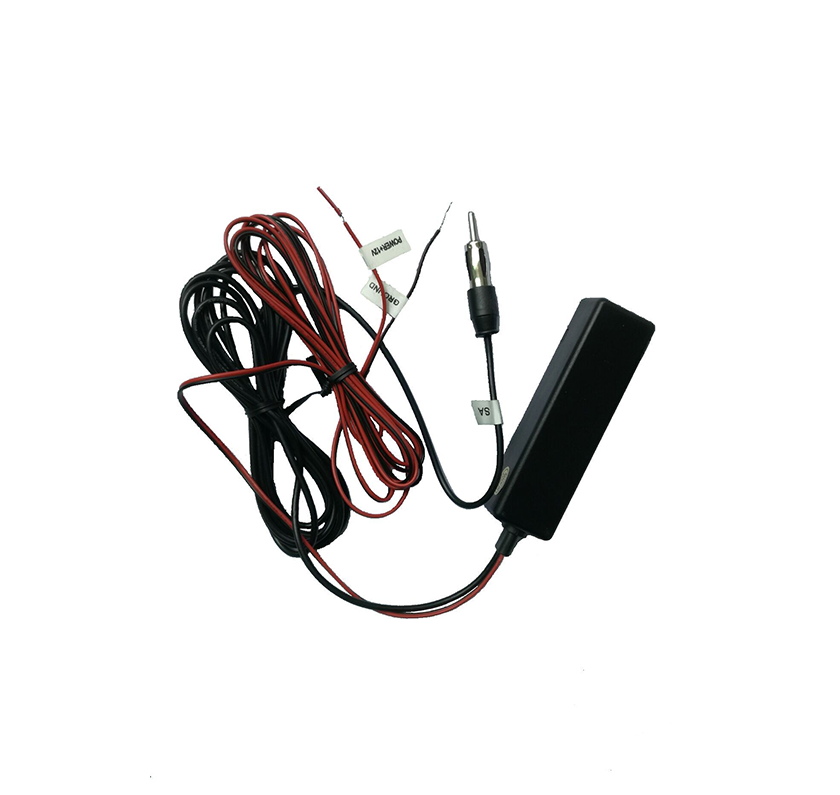
Concerns about mobile phone antenna radiation stem from misinterpretations of electromagnetic (EM) fields. Here’s a scientific breakdown:
1. Nature of Mobile Phone Radiation
Non-Ionizing Radiation: Mobile phones (including 4G/5G, Wi-Fi, and Bluetooth) emit non-ionizing EM radiation in the radio frequency (RF) range (300 MHz to 6 GHz). Unlike ionizing radiation (e.g., X-rays), RF radiation lacks the energy to break chemical bonds or cause DNA damage.
Power Levels:
Maximum transmit power: ~200 mW for 4G LTE; ~100 mW for Wi-Fi.
Exposure decreases with distance: A phone held 10 cm from the head receives ~100x less radiation than when touching the ear.
2. Regulatory Safety Standards
SAR (Specific Absorption Rate): Governments set SAR limits to ensure safe RF exposure:
USA (FCC): 1.6 W/kg (1 g tissue).
EU (ICNIRP): 2.0 W/kg (10 g tissue).
All commercial phones must pass SAR testing. For example, the iPhone 14 has a SAR value of 0.89 W/kg, well below the FCC limit.
Testing Methods: SAR is measured in a liquid phantom simulating human tissue, accounting for worst-case usage (e.g., maximum transmit power, close proximity).
3. Scientific Consensus on Health Risks
WHO/ITU Statement: The International Agency for Research on Cancer (IARC) classifies RF radiation as “possibly carcinogenic to humans (Group 2B),” but this is based on limited evidence from studies on heavy mobile phone users. Most epidemiological studies (e.g., the large-scale INTERPHONE study) find no consistent link between RF exposure and brain tumors, infertility, or other health issues.
Thermal Effects: The primary biological effect of RF radiation is mild heating (e.g., a 0.1°C temperature rise in the brain during a call), which is reversible and not harmful at regulated levels.
4. Mitigating Exposure (If Desired)
Distance: Use speakerphone, headphones, or voice commands to keep the phone away from the body.
Limit Usage: Reduce talk time on weak signals (phones emit more power in low-coverage areas).
Avoid Body Contact: Don’t carry the phone in a pocket or bra, as this increases continuous exposure.
Mobile phone antennas pose no proven health risks when used within regulatory guidelines. The focus on safety is warranted, but the scientific consensus supports the current standards as protective of public health. As with any technology, informed usage—such as minimizing close contact during long calls—can further reduce theoretical risks, though evidence of harm remains absent.









 Home >
  +86 186 8871 1070


