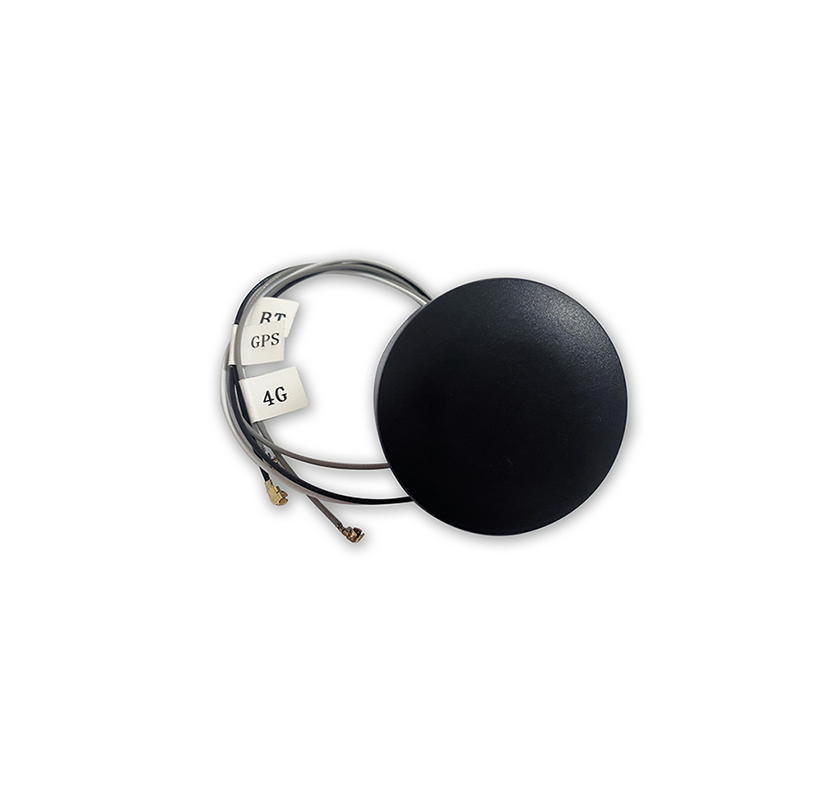
The power capacity of base station antennas is a key factor in the design and operation of wireless communication networks.
1. Definition and Significance
The power capacity of a base station antenna refers to the maximum amount of power that the antenna can handle without experiencing performance degradation or damage. It is crucial because base station antennas are an integral part of the wireless infrastructure. In a cellular network, for example, base stations transmit and receive signals to and from mobile devices. High – power transmissions are often required to cover large areas and ensure reliable communication. If the antenna’s power capacity is exceeded, it can lead to various problems.
2. Factors Affecting Power Capacity
Several factors influence the power capacity of base station antennas. One of the main factors is the antenna material. Antennas made of materials with high dielectric strength and low loss tangent can handle higher power levels. For example, high – quality ceramics or certain polymers may be used in the construction of high – power – capacity antennas. The size and design of the antenna also play a role. Larger antennas generally have a higher power capacity as they can dissipate heat more effectively. Additionally, the cooling mechanisms employed, if any, can enhance the power capacity. For instance, some base station antennas are equipped with heat sinks or forced – air cooling systems to remove excess heat generated during high – power operation.
3. Measurement and Testing of Power Capacity
To determine the power capacity of a base station antenna, specialized testing is carried out. This typically involves gradually increasing the input power to the antenna while monitoring its performance. Performance parameters such as gain, return loss, and radiation pattern are measured. The power level at which any of these parameters deviate beyond acceptable limits is considered the maximum power capacity. Testing is often done in a controlled environment to ensure accurate results.
4. Importance in Network Planning and Operation
In network planning, knowledge of the power capacity of base station antennas is essential. It helps in determining the number and location of base stations required to cover a given area. If the power capacity of an antenna is low, more base stations may be needed to achieve the same coverage. In operation, ensuring that the antennas are not over – powered protects the integrity of the wireless network. Over – powering an antenna can cause interference with neighboring cells and reduce the overall quality of service in the network.
















 Home >
  +86 186 8871 1070


