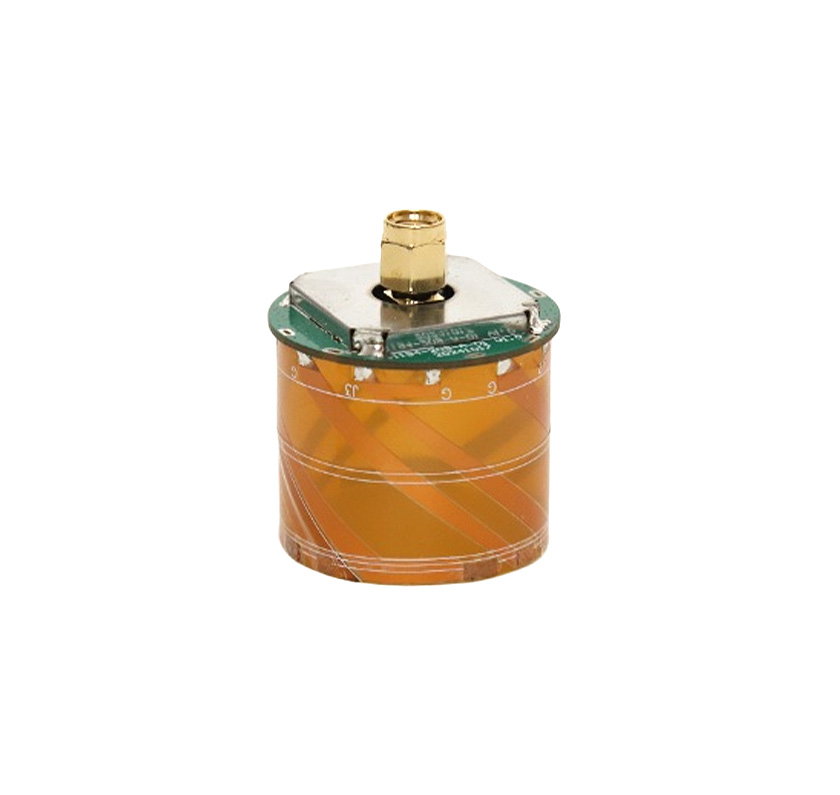
Multifunctional smart antenna systems integrate advanced technologies to perform multiple tasks—such as communication, sensing, and positioning—while adapting dynamically to changing environmental conditions. These systems are pivotal in 5G networks, IoT devices, and autonomous vehicles, where efficient spectrum usage and reliable connectivity are essential.
At the core of these systems is beamforming technology, which uses an array of antenna elements controlled by a digital signal processor (DSP). The DSP adjusts the phase and amplitude of signals from each element to focus radiation in specific directions, enhancing signal strength for desired users and suppressing interference from unwanted sources. This adaptive beamforming allows the system to switch between communication modes (e.g., 5G, Wi-Fi) and track moving objects, such as vehicles or drones, in real time.
Sensing capabilities add another layer of functionality. By analyzing reflected signals, smart antenna systems can detect objects, measure distances, and monitor environmental conditions. For example, in autonomous vehicles, they act as radar-like sensors to detect obstacles, while in smart cities, they monitor traffic flow and crowd density. This integration of communication and sensing reduces the need for separate hardware, saving space and energy.
Machine learning (ML) algorithms enable the system to optimize performance autonomously. ML models analyze historical data on signal quality, interference patterns, and user behavior to predict and adapt to changes—such as switching frequencies when congestion is detected or adjusting beam direction during inclement weather. This self-optimization ensures consistent performance in dynamic environments, where traditional fixed antennas would struggle.
Hardware design focuses on miniaturization and energy efficiency. Compact antenna arrays, often using microstrip or phased-array technology, fit into small devices like smartphones or wearables. Low-power DSPs and energy-harvesting components extend battery life in IoT applications. Communication protocols like MIMO (Multiple-Input Multiple-Output) further enhance data rates by using multiple antennas to transmit and receive data simultaneously.
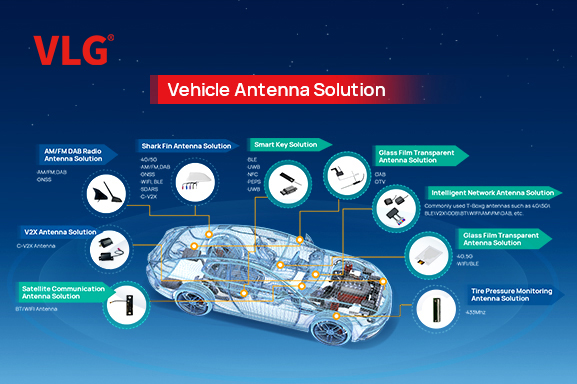
These systems also support seamless interoperability with multiple standards, including 5G NR, Bluetooth 5.0, and GPS. This versatility makes them ideal for applications requiring connectivity across diverse networks, such as emergency response systems that need to communicate over both cellular and satellite links. As technology advances, multifunctional smart antenna systems are poised to enable new capabilities in telemedicine, industrial automation, and beyond.










 Home >
  +86 186 8871 1070


