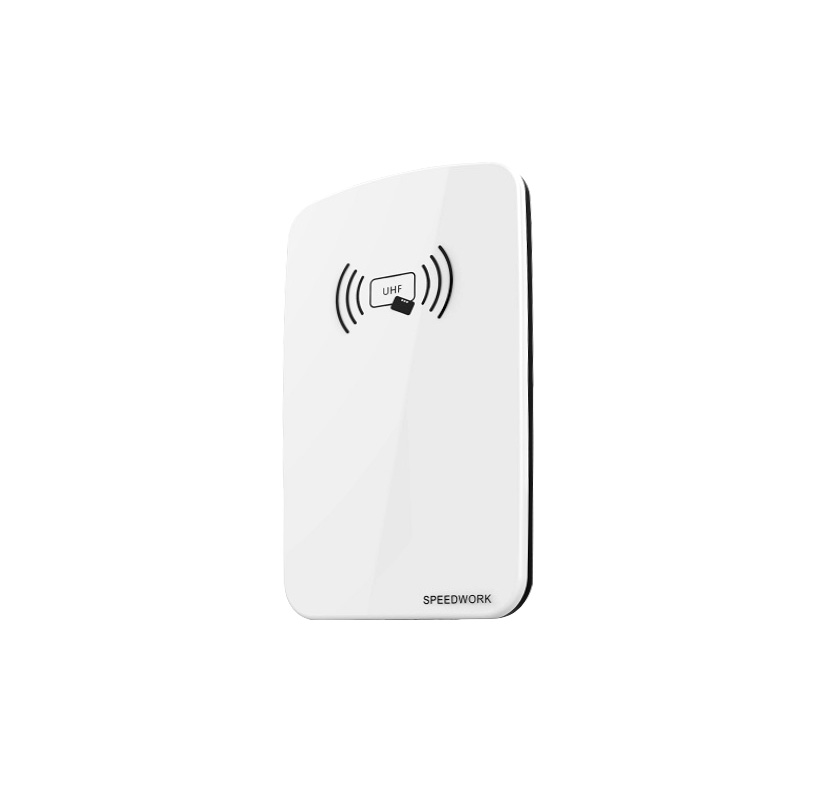
Multi-polarization antenna array systems combine multiple antennas with different polarization orientations (e.g., vertical, horizontal, circular) to enhance signal reception, mitigate fading, and improve communication reliability in dynamic environments—making them ideal for vehicles, which experience constant changes in orientation relative to base stations.
Polarization diversity is the key principle: radio waves can oscillate in different planes, and if the transmitting and receiving antennas have mismatched polarizations, signal strength drops significantly. A multi-polarization array addresses this by including antennas with orthogonal polarizations (e.g., one vertically polarized, one horizontally polarized), ensuring that at least one antenna maintains a strong connection as the vehicle turns, tilts, or moves through varying terrain.
Designing such arrays involves careful spacing between elements—typically half the wavelength of the target frequency—to avoid mutual coupling (interference between antennas). This spacing ensures that each antenna operates independently while contributing to the array’s overall performance. Beamforming algorithms process signals from all array elements, combining them to maximize desired signal strength and suppress interference, a feature critical in urban areas with multiple overlapping signals.
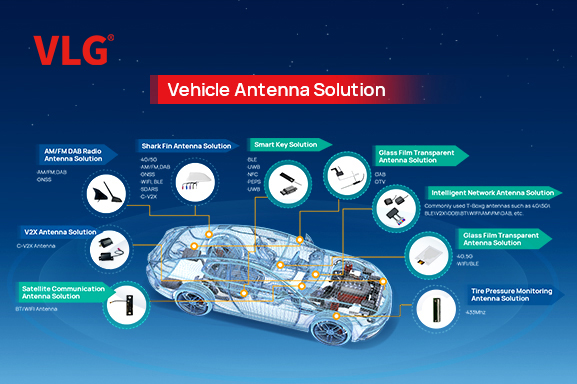
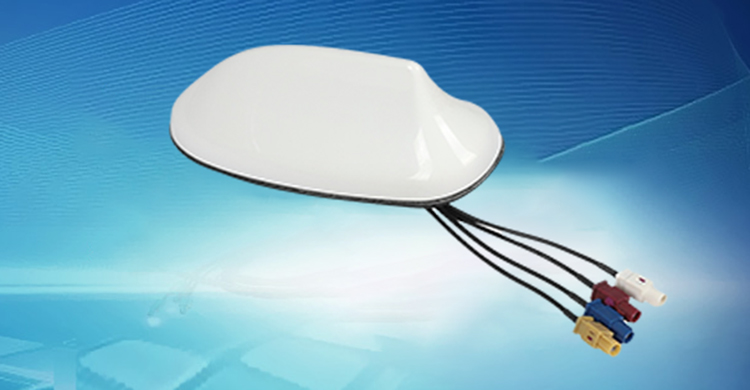
For vehicle applications, the array is often integrated into a compact, rugged housing, with elements arranged to cover 360° azimuth, ensuring no blind spots. Materials must withstand vibration and temperature extremes, with elements made from high-conductivity metals (e.g., aluminum, copper) for efficiency.
Multi-polarization arrays are particularly valuable for 5G and V2X communication, where high data rates and low latency are essential. They enable vehicles to maintain connections during sharp turns, when polarization mismatch is most likely, and improve performance in fading conditions caused by reflections from buildings or other vehicles. By leveraging polarization diversity, these systems ensure robust, uninterrupted communication, even in the most challenging environments.









 Home >
  +86 186 8871 1070


