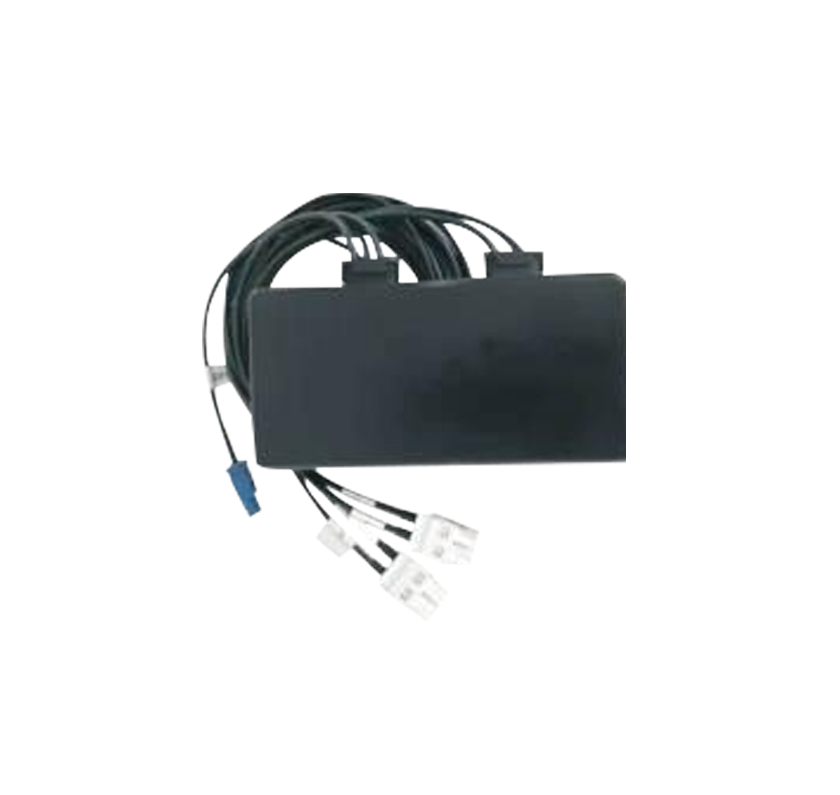
The humidity tolerance of IoT antennas is another important consideration in the design and deployment of IoT systems.
IoT devices are often exposed to various levels of humidity, ranging from dry indoor environments to humid outdoor or industrial settings. An antenna with good humidity tolerance can withstand these conditions without significant degradation in performance.
High humidity can cause several issues for antennas. Moisture can accumulate on the surface of the antenna, leading to corrosion and deterioration of the conductive elements. This can affect the signal transmission and reception quality. To address this, antennas are often coated with protective materials that are resistant to moisture and corrosion. These coatings can prevent water from penetrating the antenna structure and protect the internal components.
In addition, humidity can also affect the dielectric properties of the materials used in the antenna. This can change the antenna’s resonance frequency and impedance, which can in turn affect the performance of the connected IoT device. Designers need to take these factors into account and select materials that are stable under different humidity levels.
Moreover, some IoT applications may involve exposure to extreme humidity conditions, such as in marine environments or in areas with high rainfall. In such cases, special waterproof and moisture-proof designs are required. For example, sealed enclosures or gaskets can be used to protect the antenna from moisture ingress.
Furthermore, humidity can also interact with temperature changes to create more complex challenges. For instance, condensation can occur when a warm and humid environment meets a cooler surface. This can cause short circuits and other electrical problems. Therefore, proper ventilation and temperature control measures are often necessary to prevent condensation and ensure the reliability of the antenna.
In summary, humidity tolerance is an important characteristic of IoT antennas. It ensures that IoT devices can operate effectively in different humidity environments, contributing to the robustness and reliability of the Internet of Things.









 Home >
  +86 186 8871 1070


