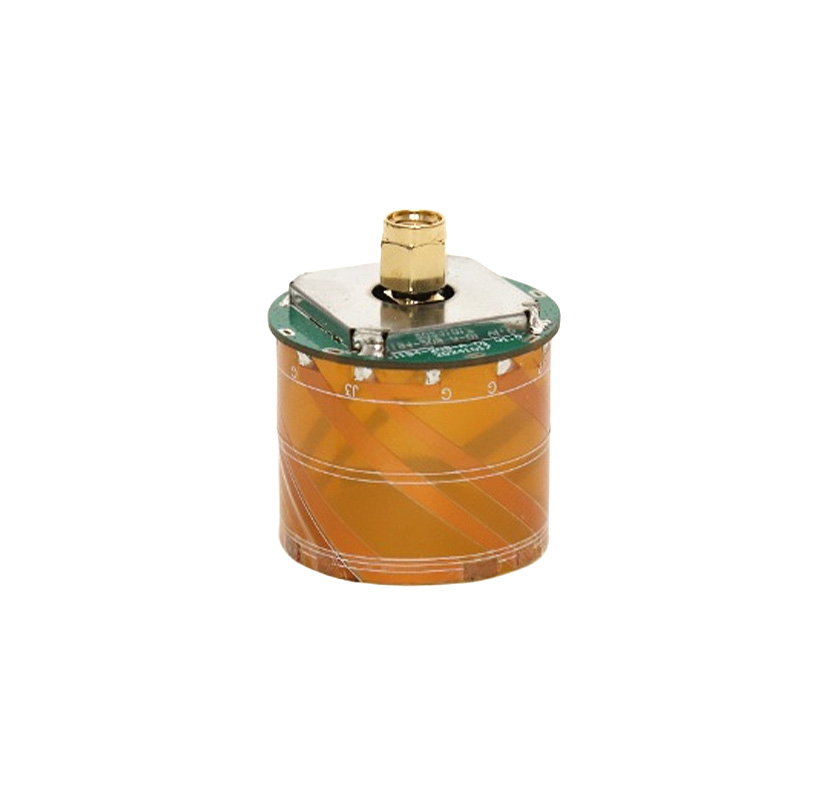
A ground wave antenna is a type of antenna designed to transmit or receive radio waves that propagate along the surface of the Earth, following its curvature. This propagation mode, known as ground wave propagation, relies on the interaction between the radio wave and the Earth’s surface, making it particularly useful for long-distance communication in low-frequency (LF) and medium-frequency (MF) bands, such as AM radio broadcasting.
Key Characteristics and Working Principles
Ground wave antennas typically operate at frequencies ranging from approximately 30 kHz to 3 MHz. At these frequencies, radio waves exhibit several unique properties:
1. Surface Wave Formation: As the wave travels over the Earth’s surface, it induces currents in the ground, creating a guided wave that “clings” to the surface. This allows the wave to bend around the Earth’s curvature, enabling communication beyond the visual horizon.
2. Polarization: Vertical polarization is preferred for ground wave antennas because it minimizes energy loss due to the Earth’s conductive properties. Horizontal polarization can lead to significant attenuation as the wave interacts with the ground.
3. Frequency Dependence: Lower frequencies (e.g., LF) experience less attenuation over distance compared to higher frequencies in the MF range. For example, a 100 kHz signal can travel hundreds of kilometers, while a 1 MHz signal may be limited to tens of kilometers over average terrain.
Applications and Examples
AM Radio Broadcasting: Traditional AM radio stations use ground wave antennas to cover large areas, especially at night when skywave propagation (via the ionosphere) can extend coverage further.
Maritime and Aviation Communication: Low-frequency ground wave antennas are used for navigation and emergency communications in marine and aviation contexts, such as VLF (very low frequency) systems for submarine communication.
Long-Distance Navigation Systems: Historical systems like Loran-C (Long Range Navigation) relied on ground wave propagation to provide accurate positioning over long distances.
Advantages and Limitations
Advantages:
Provides reliable coverage in areas with limited infrastructure or challenging terrain.
Less affected by atmospheric conditions compared to higher-frequency modes like skywave or line-of-sight propagation.
Limitations:
Requires large antennas due to the long wavelengths at low frequencies. For example, a 1 MHz antenna may need to be tens of meters tall.
Signal strength decreases with distance due to ground conductivity losses, making it less efficient for very long ranges without powerful transmitters.













 Home >
  +86 186 8871 1070


