



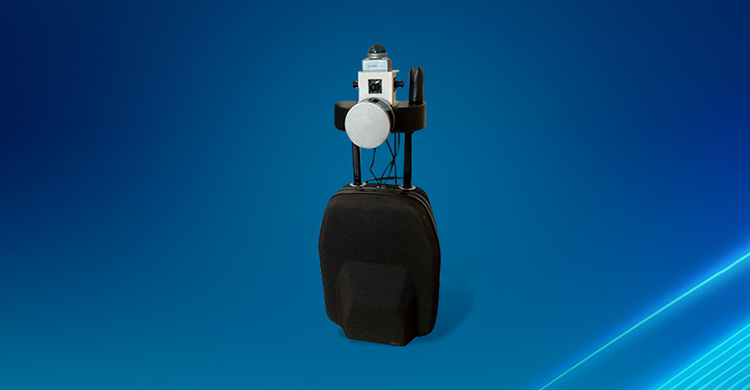



Choosing a GNSS timing antenna starts with the timing receiver, cable run and installation site. This guide helps equipment manufacturers and system integrators check those requirements before selecting an antenna for time synchronization.
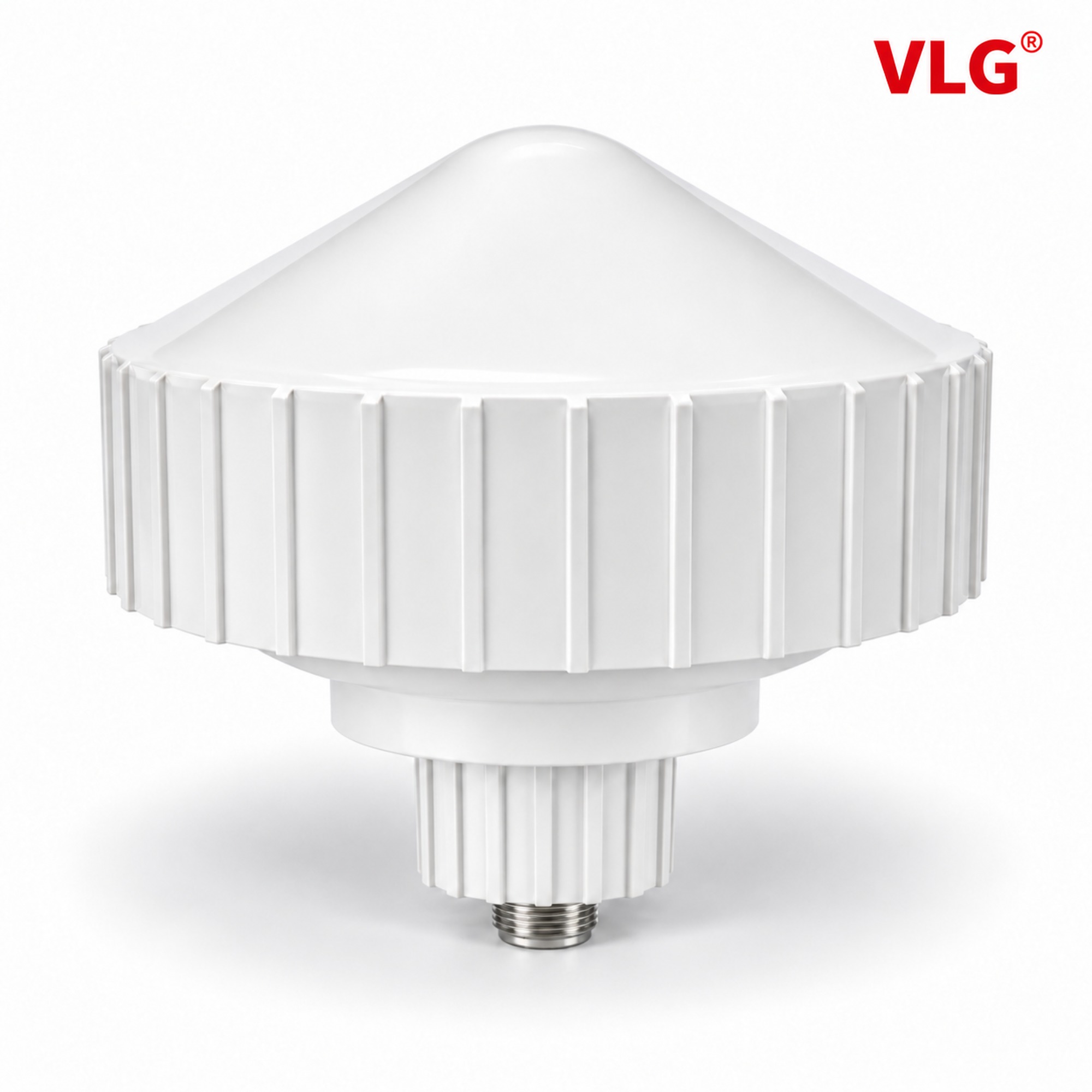
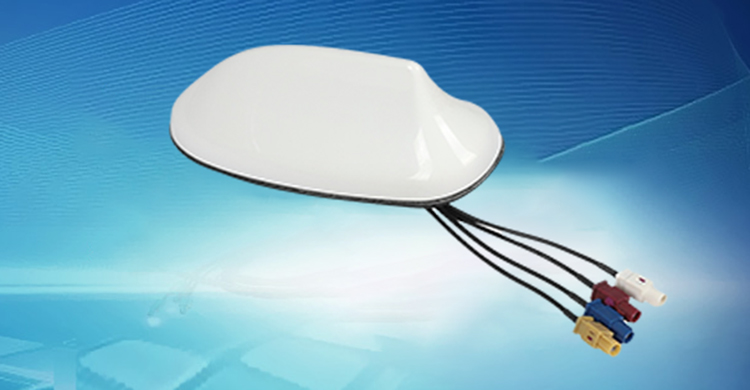
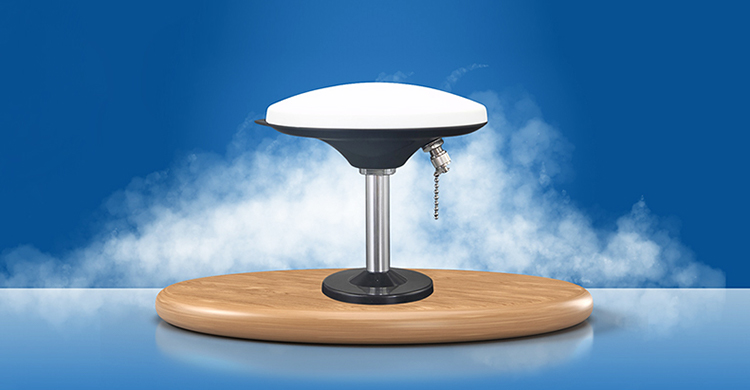
VLG V2328-001-A-01 timing antenna, shown as a product example. Confirm the selected configuration against the current model documentation.
What does a GNSS timing antenna do?
A GNSS timing antenna receives satellite radio signals for a timing receiver. In an active antenna, the front end may also amplify and filter those signals. The receiver then processes the signals and calculates the timing solution. The antenna alone does not decode satellite navigation messages or output a synchronized clock.
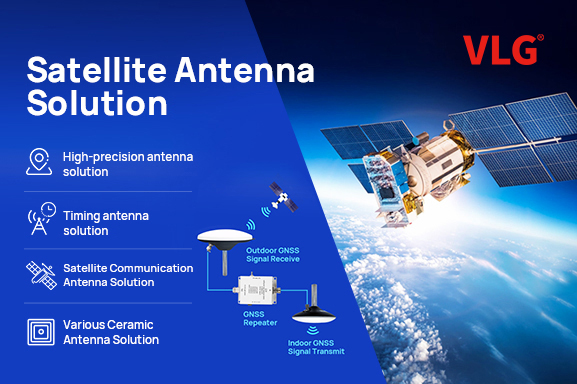
A typical chain is: GNSS satellites → antenna → RF cable → timing receiver → timing output to the host equipment. Communication infrastructure, power-system monitoring and other synchronized equipment can use this chain. The achievable timing performance belongs to the complete system, rather than to the antenna alone.
How to choose a GNSS timing antenna for your receiver
Start with the receiver’s supported constellations and frequency bands. A description such as “multi-GNSS” is not sufficient: confirm the actual bands required by the receiver and covered by the antenna. GPS, BeiDou, Galileo and GLONASS support must be checked against the selected hardware.
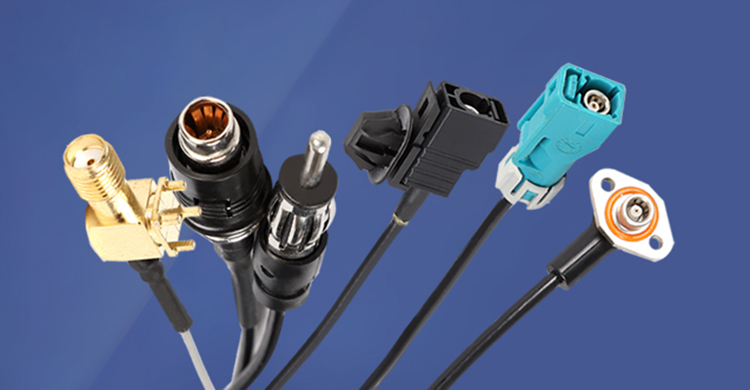
For an active antenna, compare its supply-voltage range and current requirements with the receiver’s antenna supply. Check the permitted gain range, noise figure, cable loss and connector interface together. More amplifier gain is not automatically better; the receiver input requirements still apply.
Antenna radiation pattern, polarization and axial ratio also matter. Review specifications and test conditions for the selected model, including its intended mounting arrangement.
GNSS antenna cable delay and cable loss
A longer RF cable can increase signal loss and propagation delay. These are different effects. Loss changes the signal budget, while delay changes when the signal reaches the receiver.
Record the installed cable type, length and connector arrangement. Where the timing receiver supports cable-delay compensation, determine the appropriate delay from the actual cable specification or measurement and apply it according to the receiver documentation. Recheck the configuration after replacing or extending the cable. Do not assume that equal-length cables of different types have identical delay.
Outdoor GNSS antenna installation checks
Choose an installation location with a clear view of the sky and assess nearby structures that can obstruct or reflect satellite signals. Evaluate interference sources and the practical cable route before fixing the mounting position.
For an outdoor assembly, verify the specific product’s environmental rating, operating temperature, mounting hardware and sealing instructions. An IP rating applies to a defined product and test condition; it should not be generalized to every antenna in a family. Follow the site’s electrical, grounding and surge-protection requirements.
A practical acceptance checklist
1. Record the antenna model, receiver model, supported bands, supply requirements and cable assembly.
2. Check reception and receiver status in the intended installation environment.
3. Configure the receiver’s timing mode and cable-delay settings using its own documentation.
4. Measure the system timing output against the project’s reference and acceptance criteria.
5. Keep the configuration and test record with the delivered system.
This article describes selection principles; it does not specify an accuracy, ingress-protection rating or service life for a particular VLG model.
GNSS timing antenna questions
Does an active GPS timing antenna replace the timing receiver?
No. An active antenna includes powered RF circuitry, typically amplification and filtering. The timing receiver still performs signal processing and produces the configured timing output. Match the active antenna supply and RF characteristics to that receiver.
What is the maximum GNSS antenna cable length?
There is no single length that applies to every installation. Check cable attenuation, antenna gain and receiver input requirements, then account for propagation delay. Include connectors and any inline components in the system assessment.
Can a timing antenna be installed indoors?
Building materials and nearby structures can obstruct or reflect satellite signals. For a permanent timing installation, plan for clear sky visibility and verify reception and timing performance at the actual site.
Discuss a timing-antenna requirement with VLG
Browse VLG timing antennas, or contact VLG with your receiver model, required bands, cable length, connector and installation environment. Product suitability should be confirmed against the selected model’s documentation.
Technical reference: u-blox, GPS-based Timing application note. This older receiver-specific note explains timing and cable-delay principles; use the documentation for your current receiver when configuring a system.
Further installation guidance: FURUNO: GPS/GNSS antenna selection for time synchronization.
 +86 186 8871 1070


