






An automotive NFC antenna must be designed together with the reader electronics and its installation environment. For a digital key, the useful result is a reliable tap at the intended contact point. Antenna shape, matching, nearby metal and the user's phone or card all influence that result.

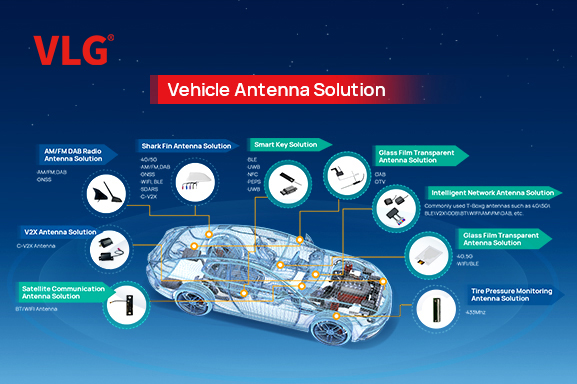
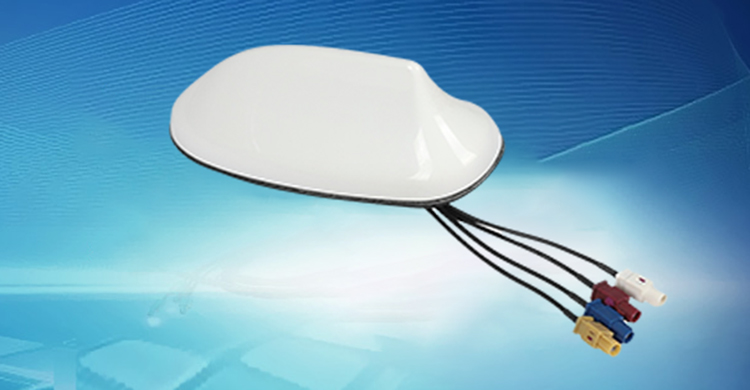
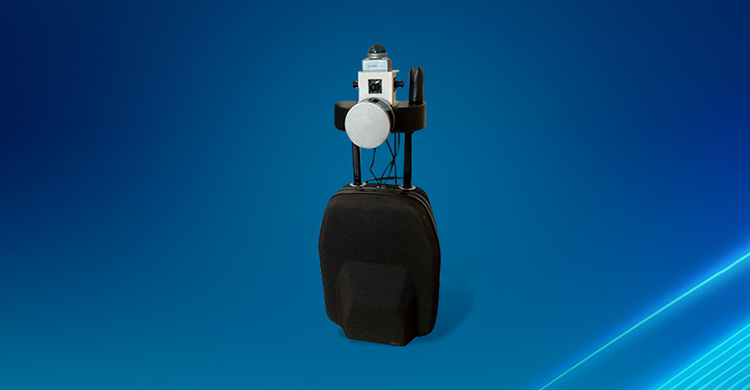
Automotive NFC antenna assembly shown in VLG's existing product materials. The illustration identifies the assembly type; final dimensions and electrical limits depend on the approved part number.
What does an NFC antenna do in a digital key system?
NFC provides a short-range communication path between the vehicle reader and a compatible phone or card. The antenna enables magnetic coupling; the reader, secure electronics and software handle communication and authentication. An antenna alone does not provide a complete digital key system or establish certification.
A tap-to-unlock function should be distinguished from hands-free entry. The Car Connectivity Consortium describes NFC as a close-proximity access method. A phone remaining in a pocket is a different use case and must be addressed by the vehicle's complete access architecture.
Choose the reader interface before fixing the antenna shape
Identify the NFC reader IC, reference circuit and target operating area first. A coil that fits the mechanical envelope may still require a different matching network when the reader or surrounding materials change.
Record the available length, width and thickness, mounting points, cable route and connector. Discuss coil geometry and matching with the electronics team before freezing the housing. Use the reader supplier's design method as the starting point, then measure the assembled design.
Evaluate the B-pillar or door-handle environment
Nearby metal can alter antenna behavior. Review the vehicle structure, decorative trim, brackets and any conductive coatings around the intended tap area. The spacing between the antenna and the outer surface also affects how a user presents a phone or card.
Ferrite may be useful in some metal-adjacent designs, but its material, dimensions and position need evaluation. NXP's antenna design guidance discusses matching and metal environments together. A result measured with an exposed antenna should not be treated as the result behind the final trim.
Keep the harness and matching network in the test setup
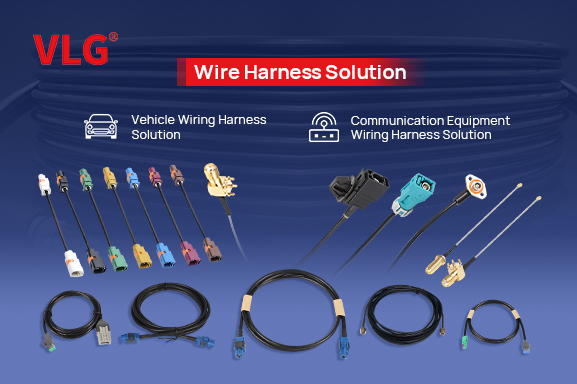
If the reader is separate from the antenna, evaluate the intended harness, connectors and routing. Confirm which components belong on the antenna board and which belong near the reader. A cable or circuit change should trigger a review of the matching and communication tests.
For environmental requirements, specify the installation location and the applicable test conditions. Agree protection, temperature and durability requirements for the exact assembly rather than applying a rating from another antenna.
Validate the complete tap experience
- Define the intended tap location and acceptable presentation area.
- Test the supported phones and cards in realistic orientations and with representative cases.
- Repeat tests with final trim, brackets, harness routing and reader settings.
- Record communication success, repeatability and relevant interference conditions.
- Keep the approved hardware revision and test configuration with the sample.
Automotive NFC antenna FAQ
Does an NFC antenna automatically unlock a car from a pocket?
NFC digital key access requires close presentation to the reader. Hands-free access depends on the wider system architecture and cannot be promised by the NFC antenna alone.
Can the same antenna be moved to a different vehicle trim?
It needs evaluation in the new location. Changes in metal, spacing, harness routing or the reader circuit can require retuning and another communication test.
What information should be sent for a custom antenna?
Provide the reader IC, mechanical drawing, surrounding materials, tap location, harness interface and supported phone or card requirements. These details let VLG discuss the antenna and integration work with your engineering team.
Contact VLG about an automotive NFC antenna project.
Technical references: NXP NFC antenna design guidance and CCC Digital Key and NFC tap access.
 +86 186 8871 1070


