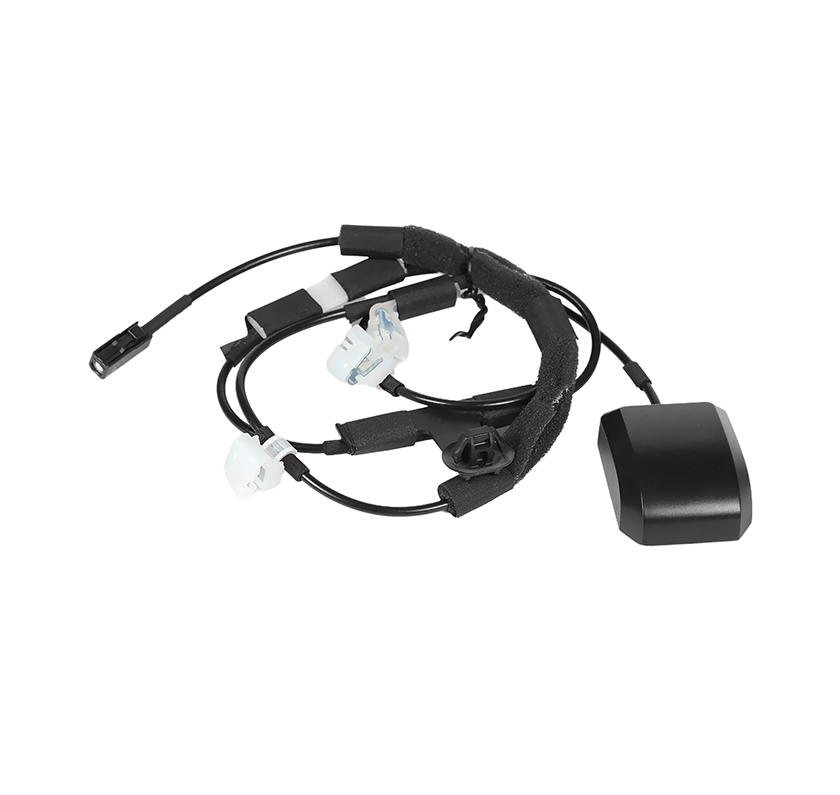
In the realm of the Internet of Things (IoT), the stability of data transmission via antennas is of utmost importance. The IoT connects a vast number of devices, ranging from smart home appliances to industrial sensors, all relying on reliable communication.
An IoT antenna’s data transmission stability is influenced by several factors. Firstly, the frequency band it operates in can significantly impact performance. Different frequency bands have varying characteristics in terms of signal propagation, interference susceptibility, and range. For example, low-frequency bands may offer longer range but slower data rates, while high-frequency bands can provide higher data transfer speeds but may be more susceptible to signal attenuation and interference.
The antenna design also plays a crucial role. A well-designed antenna should have proper gain, impedance matching, and radiation pattern. Gain determines how effectively the antenna can focus and amplify the signal. Impedance matching ensures that the antenna is efficiently coupled to the transmitting or receiving device, minimizing signal reflection and loss. The radiation pattern defines the directionality and coverage area of the antenna’s signal.
Environmental factors can also affect data transmission stability. Physical obstructions such as walls, metal structures, and other objects can attenuate or block the signal. Weather conditions like rain, fog, and snow can also cause signal degradation. Additionally, electromagnetic interference from other electronic devices and wireless signals can disrupt the IoT antenna’s operation.
To enhance data transmission stability, several measures can be taken. Signal repeaters and amplifiers can be used to boost weak signals. Antenna diversity techniques, such as using multiple antennas with different polarizations or locations, can improve reliability by providing alternative signal paths. Error-correcting codes and protocols can also be employed to detect and correct errors in transmitted data.
In conclusion, ensuring the stability of data transmission for IoT antennas requires careful consideration of frequency selection, antenna design, environmental factors, and the implementation of appropriate signal enhancement and error correction measures.











 Home >
  +86 186 8871 1070


