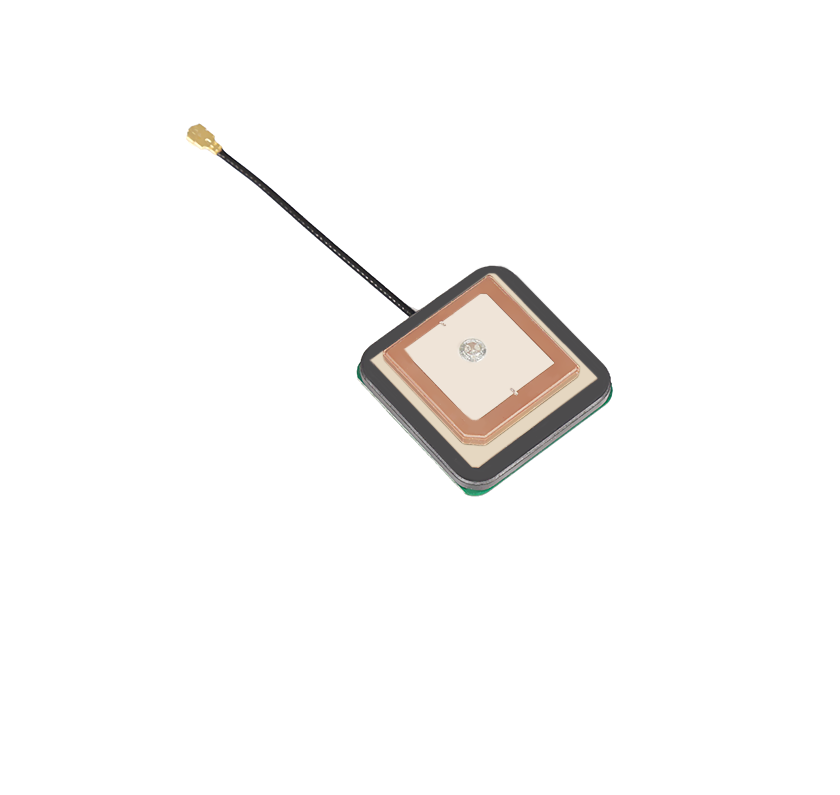
The cost – benefit analysis of IoT antennas is a crucial factor for both manufacturers and end – users in the IoT ecosystem. When considering the cost of IoT antennas, several aspects need to be taken into account.
On the cost side, the material cost is a significant component. The type of materials used in the antenna construction, such as copper, aluminum, or specialized composite materials, can vary widely in price. For example, antennas made with high – quality copper conductors may offer better electrical performance but come at a higher cost compared to those using aluminum. Additionally, the manufacturing process also contributes to the cost. Complex antenna designs that require precision manufacturing techniques, such as printed circuit board (PCB) antennas with fine – tuned geometries, can be more expensive to produce. The cost of research and development (R&D) for new antenna designs is another factor. As IoT technology evolves, there is a constant need for antennas with improved performance, and R&D efforts to develop such antennas involve significant investment.
However, there are also many benefits associated with IoT antennas that need to be considered in the cost – benefit analysis. One of the primary benefits is the enhanced connectivity that IoT antennas provide. In a smart city scenario, IoT antennas enable seamless communication between various devices, such as traffic sensors, environmental monitors, and smart streetlights. This connectivity leads to more efficient city management, reduced traffic congestion, and better environmental monitoring. The economic benefits of these improvements can far outweigh the cost of the IoT antennas. For example, by optimizing traffic flow through the use of IoT – connected sensors and antennas, cities can save on fuel consumption and reduce vehicle emissions, which in turn leads to cost savings in terms of healthcare costs related to pollution and increased productivity due to less time spent in traffic.
Another benefit is the potential for increased business opportunities. For companies, IoT antennas can enable the development of new products and services. A manufacturing company, for instance, can use IoT antennas to create smart factory systems where machines are interconnected. This can lead to improved production efficiency, reduced downtime, and increased product quality, all of which contribute to higher revenues. In addition, the long – term cost savings in maintenance and operational costs should also be considered. IoT antennas that are designed for durability and low power consumption can reduce the need for frequent replacements and lower the overall energy costs associated with running IoT devices.









 Home >
  +86 186 8871 1070


