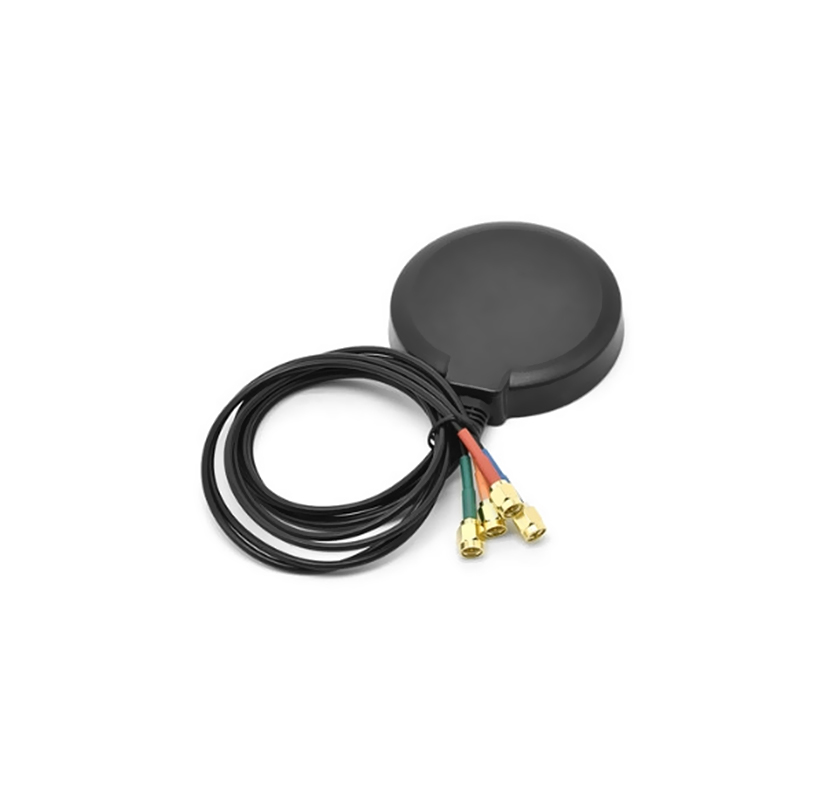
Vertically polarized waves should be received using antennas with vertical polarization characteristics, while horizontally polarized waves should be received using antennas with horizontal polarization characteristics. Right-handed circularly polarized waves should be received using antennas with right-handed circularly polarized characteristics, while left-handed circularly polarized waves should be received using antennas with left-handed circularly polarized characteristics.
When the polarization direction of the incoming wave is different from that of the receiving antenna, the received signal will decrease, which means polarization loss occurs. For example, when using a+45 ° polarized antenna to receive vertically polarized or horizontally polarized waves, or when using a vertically polarized antenna to receive+45 ° polarized or -45 ° polarized waves, etc., polarization loss will occur. When using a circularly polarized antenna to receive any linearly polarized wave, or using a linearly polarized antenna to receive any circularly polarized wave, etc., polarization loss will inevitably occur – only half of the energy of the incoming wave can be received.
When the polarization direction of the receiving antenna is completely orthogonal to the polarization direction of the incoming wave, such as using a horizontally polarized receiving antenna to receive a vertically polarized incoming wave or using a right-handed circularly polarized receiving antenna to receive a left-handed circularly polarized incoming wave, the antenna will not receive any energy from the incoming wave at all. In this case, the polarization loss is maximum, which is called polarization complete isolation.









 Home >
  +86 186 8871 1070


