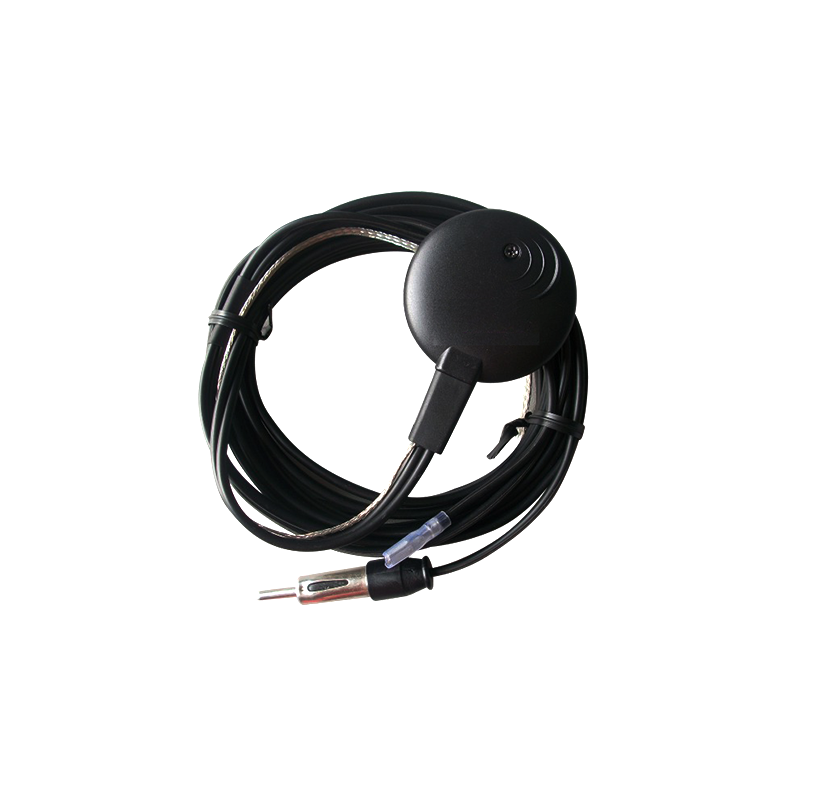
Array antennas offer a multitude of advantages over single-element antennas, making them indispensable in modern wireless communication, radar, and sensing systems. These advantages stem from their ability to combine signals from multiple elements to control radiation patterns dynamically, enhancing performance, flexibility, and efficiency.
One of the primary advantages is beamforming capability, which allows array antennas to steer their radiation beams electronically without physical movement. By adjusting the phase or amplitude of signals fed to each element, the array can focus energy in a specific direction, track moving targets, or avoid obstacles. This dynamic beam steering is critical in applications like 5G
networks, where beams can be directed toward individual users to maximize data rates, or in radar systems, where rapid beam scanning enables real-time target detection. Unlike mechanical steering (used in traditional dish antennas),electronic beam steering is instantaneous, reducing latency and enabling simultaneous tracking of multiple targets.
Array antennas also deliver higher gain and directivity compared to single-element antennas. By combining the radiation from multiple elements constructively in the desired direction, they achieve significantly higher gain (often 10–30 dBi or more), extending communication ranges and improving signal reception. This is particularly valuable in long-range applications such as
satellite communication, where stronger signals are needed to overcome atmospheric attenuation, or in remote sensing, where weak reflected signals must be detected.
Another key advantage is interference mitigation. Array antennas can suppress unwanted signals by nulling (creating deep notches in the radiation pattern) in the direction of interference sources. This is achieved through adaptive algorithms that analyze incoming signals, identify interference, and adjust element phases to cancel out noise. In crowded frequency bands—such as
those used for Wi-Fi, cellular networks, or military communications—this capability ensures reliable operation by minimizing disruptions from other devices or jammers.
Array antennas also offer versatility in radiation patterns. They can be reconfigured to generate various patterns (e.g., narrow beams for point-to-point communication, wide beams for broadcasting, or multiple beams for simultaneous multi-user communication) without hardware changes. This flexibility is leveraged in massive MIMO (Multiple-Input Multiple-Output) systems, where arrays with hundreds of elements create multiple independent beams to serve numerous users simultaneously, drastically increasing network capacity.
Additionally, array antennas provide improved reliability through redundancy. If one element fails, the array can continue operating with reduced performance, unlike single-element antennas, which cease functioning entirely. This makes them suitable for critical applications such as aerospace communication or emergency services, where downtime is unacceptable.
Finally, array antennas enable frequency agility and bandwidth efficiency. By optimizing element spacing and feed networks, they can operate across wide frequency ranges, supporting multiple communication standards (e.g., 4G, 5G, and Wi-Fi) in a single device. This reduces the need for multiple antennas, saving space and simplifying integration in compact devices like smartphones or drones.
the combination of dynamic beam steering, high gain, interference suppression, pattern flexibility, redundancy, and frequency agility makes array antennas a cornerstone of modern wireless technologies, driving advancements in communication speed, reliability, and capacity.












 Home >
  +86 186 8871 1070


