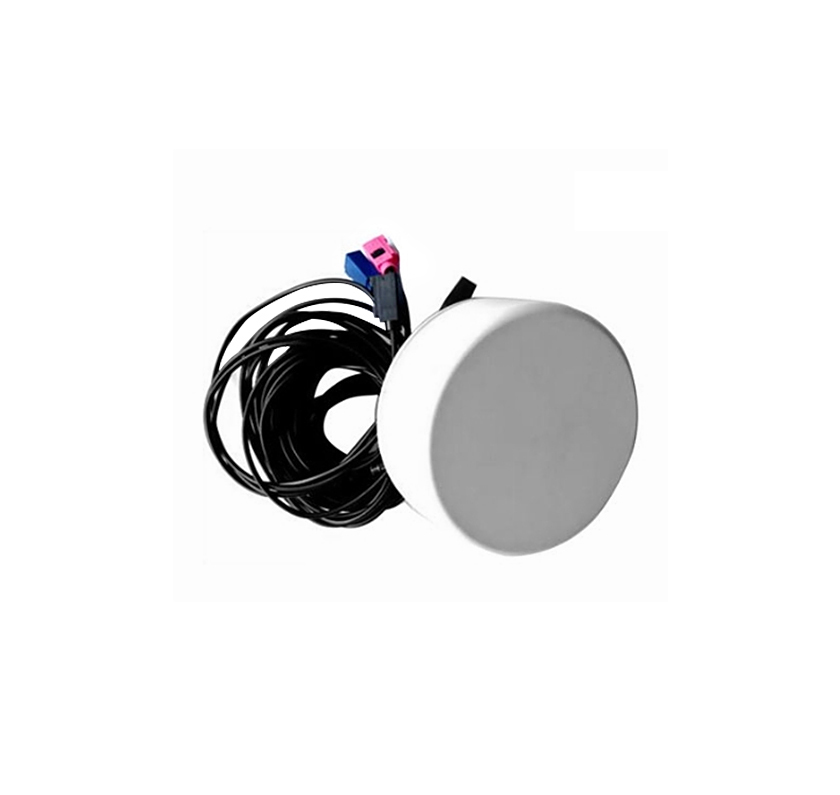
Antenna thermal stability testing is a crucial aspect in ensuring the reliable performance of antennas under various operating conditions.
1. Importance of Thermal Stability
Thermal stability is vital for antennas as temperature changes can significantly affect their performance. For example, in outdoor applications, antennas are exposed to a wide range of temperatures. Extreme heat during summer or cold in winter can cause changes in the physical properties of the antenna materials. This can lead to alterations in electrical parameters such as impedance, gain, and resonant frequency. If an antenna’s impedance changes due to temperature, it can result in a mismatch with the transmission line, leading to signal loss and reduced efficiency.
2. Testing Setup and Procedures
The testing setup for thermal stability typically involves a temperature – controlled chamber. The antenna under test is placed inside the chamber, and the temperature is varied over a specified range. For example, the temperature may be cycled from – 40°C to + 85°C to simulate extreme environmental conditions. During the test, various parameters of the antenna are continuously monitored. This includes measuring the S – parameters (such as S11 which indicates return loss) at different temperatures. Specialized test equipment like network analyzers is used for accurate measurements.
3. Analysis of Test Results
Once the testing is complete, the collected data is analyzed. A stable antenna should show minimal variation in its electrical parameters over the tested temperature range. For instance, if the gain of an antenna varies more than a certain tolerance limit (say, ±1 dB) over the temperature range, it may indicate a lack of thermal stability. The results are used to determine if any design modifications are required. If the antenna fails to meet the thermal stability requirements, changes in materials, such as using materials with lower thermal expansion coefficients, or in the antenna’s construction may be necessary.
4. Applications and Impact on Antenna Design
In applications such as satellite communication, where antennas are in space and exposed to extreme temperature variations, thermal stability is of utmost importance. Antenna designers need to take into account the thermal stability requirements early in the design process. For example, they may choose to use heat – resistant materials for the antenna radiator or design a thermal management system to dissipate heat effectively in high – power antennas.














 Home >
  +86 186 8871 1070


