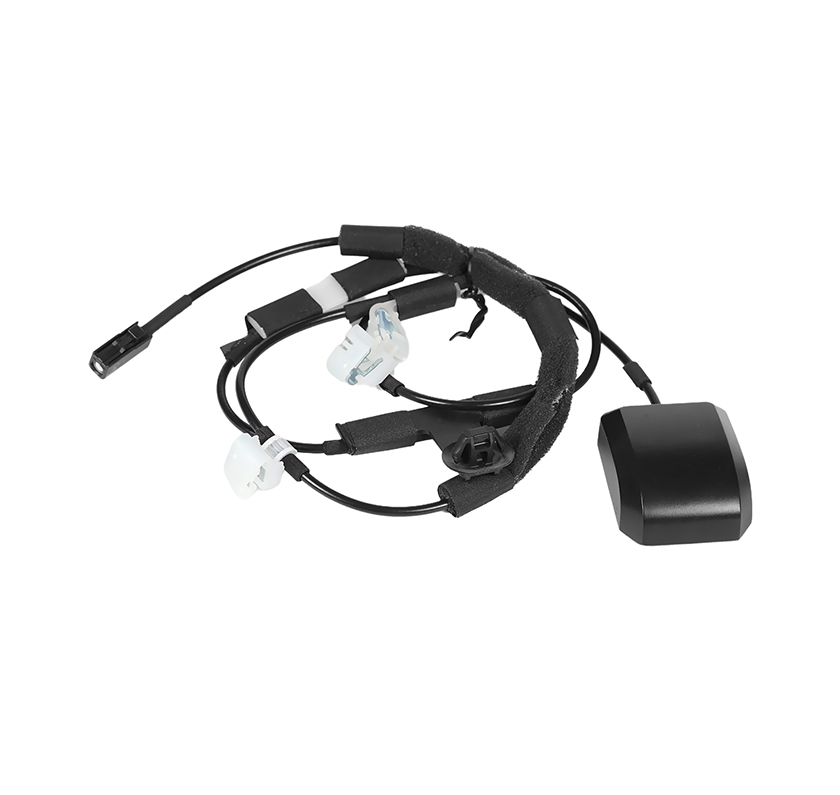
The feeding method of a TV antenna is an important factor that affects its performance and reception quality. Different feeding methods have their own advantages and disadvantages, and the choice of feeding method depends on various factors such as the type of antenna, installation location, and signal strength.
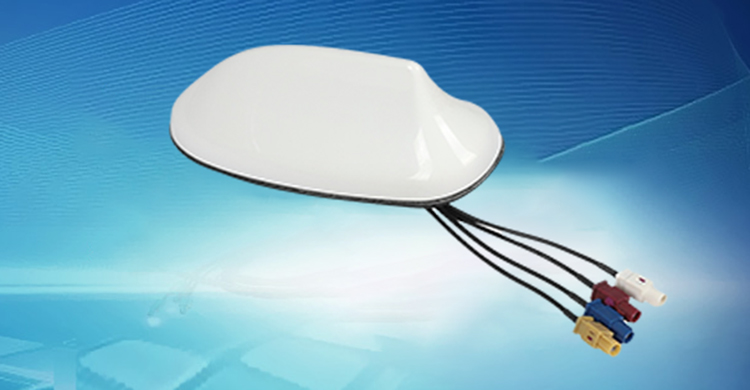
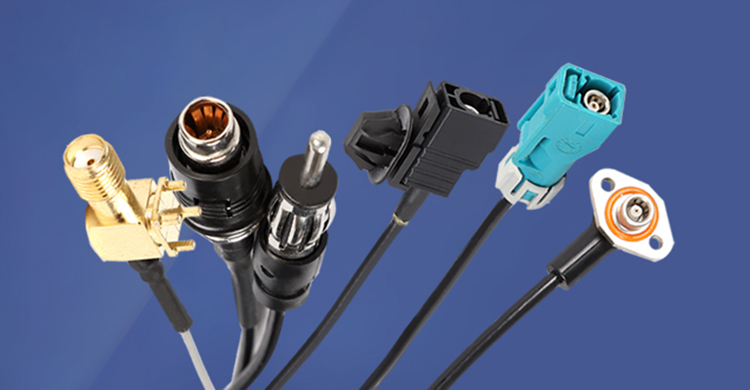
One common feeding method is the coaxial cable feed. In this method, a coaxial cable is used to connect the antenna to the TV or receiver. The coaxial cable provides a low-loss transmission path for the signal and is easy to install and maintain. However, coaxial cables can be affected by interference from other electrical devices and may require proper shielding to ensure good signal quality.
Another feeding method is the balun feed. A balun is a device that converts an unbalanced signal (such as that from a coaxial cable) to a balanced signal (such as that required by some antennas). Balun feeds can improve the signal-to-noise ratio and reduce interference, but they are more complex and expensive than coaxial cable feeds.
For outdoor antennas, a mast-mounted amplifier can be used to boost the signal before it is fed to the TV or receiver. This can improve reception in areas with weak signals, but it also requires additional power and may introduce noise if not properly installed.
the choice of feeding method for a TV antenna depends on various factors. Coaxial cable feeds are simple and widely used, while balun feeds and mast-mounted amplifiers can offer improved performance in certain situations. By considering the specific requirements of the installation and signal conditions, one can choose the most appropriate feeding method for optimal TV reception.










 Home >
  +86 186 8871 1070


