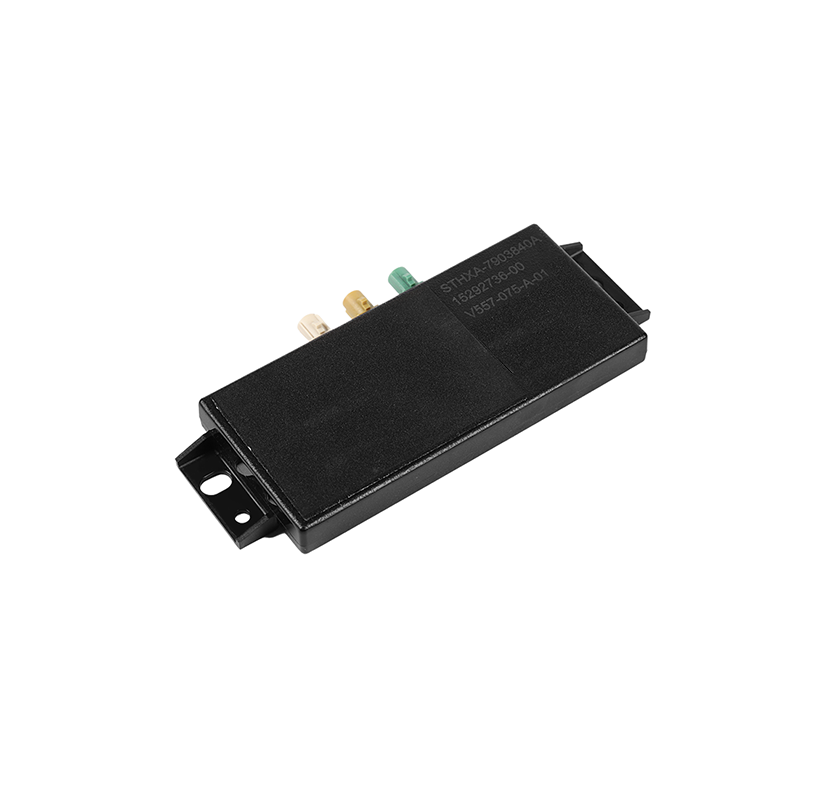
The reflection coefficient of an antenna is an important parameter that characterizes its impedance matching and performance. The reflection coefficient indicates the amount of power reflected back from the antenna due to impedance mismatch between the antenna and the transmission line or feed network.
A low reflection coefficient is desirable as it indicates good impedance matching and minimal power loss. When the reflection coefficient is close to zero, most of the power is transmitted from the source to the antenna and radiated into space. On the other hand, a high reflection coefficient indicates poor impedance matching and significant power loss, which can lead to reduced antenna efficiency and performance.
The reflection coefficient can be measured using a network analyzer or other specialized equipment. By analyzing the reflection coefficient over a range of frequencies, one can determine the antenna’s resonant frequency, bandwidth, and impedance characteristics.
To improve the impedance matching and reduce the reflection coefficient, various techniques can be employed. These include adjusting the antenna geometry, using matching networks or baluns, and optimizing the feed network. By carefully designing and tuning the antenna and its associated components, it is possible to achieve good impedance matching and low reflection coefficient, resulting in improved antenna performance.
the analysis of antenna reflection coefficient is an important aspect of antenna design and performance evaluation. By understanding the reflection coefficient and its relationship to impedance matching, designers can optimize the antenna for maximum efficiency and performance.














 Home >
  +86 186 8871 1070


