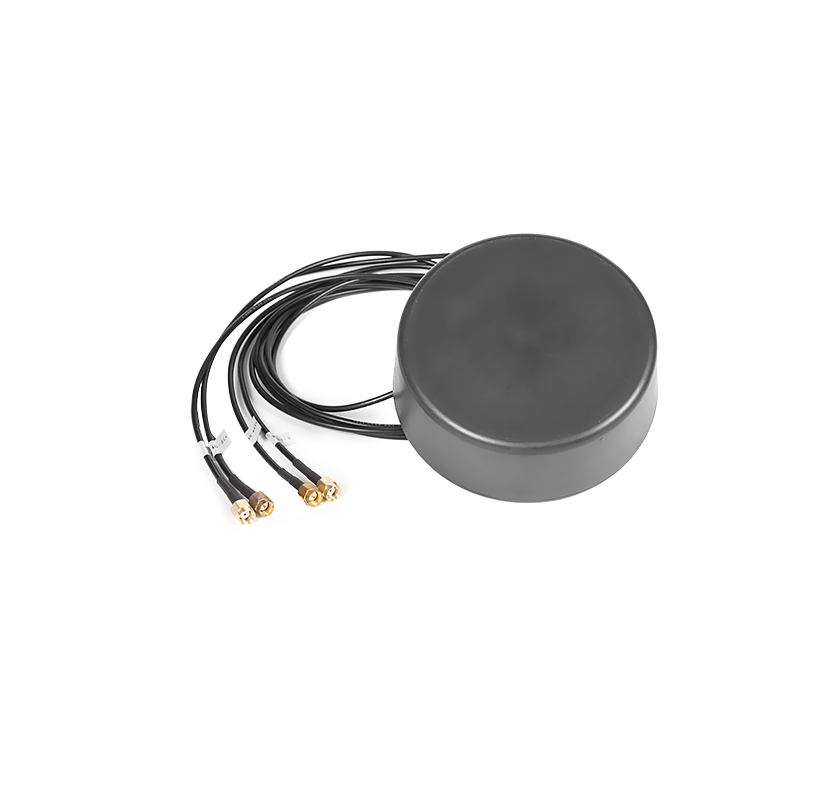
The capacitive load has a significant impact on the performance and characteristics of an antenna, influencing its impedance matching, radiation pattern, and overall efficiency.
When a capacitive load is connected to an antenna, it alters the electrical characteristics of the antenna system. Capacitance is a measure of the ability of a component to store electrical charge. In the context of an antenna, the addition of a capacitive load can change the antenna’s input impedance. If the capacitive load is not properly matched to the antenna’s original impedance, it can lead to a mismatch, resulting in reflected power and a reduction in the efficiency of power transfer. For example, in a wireless communication system, a mismatched antenna due to a capacitive load can cause a decrease in the range and quality of the signal transmission.
The radiation pattern of the antenna can also be affected by the capacitive load. The distribution of the electric current on the antenna’s surface is altered, which in turn changes the direction and shape of the radiated electromagnetic waves. This can lead to changes in the antenna’s gain and directivity. In some cases, a carefully designed capacitive load can be used to modify the radiation pattern for specific applications, such as beam steering or focusing. However, if not properly controlled, it can result in unwanted side lobes or a broadening of the main beam, reducing the antenna’s performance.
Moreover, the capacitive load can also influence the resonant frequency of the antenna. As the capacitance changes, the resonant frequency at which the antenna operates most efficiently may shift. This requires careful tuning and design to ensure that the antenna continues to operate within the desired frequency range. Overall, understanding and properly managing the impact of capacitive load on an antenna is crucial for optimizing its performance in various applications, from wireless communication to radar systems.












 Home >
  +86 186 8871 1070


