
Wind noise from a car antenna can be a nuisance, especially at high speeds.
Fortunately, there are several methods that can be used to reduce wind noise and
improve the driving experience.
One method for reducing wind noise is to choose an antenna with a
streamlined design. Antennas that are designed to minimize air resistance and
turbulence will produce less wind noise than those with a bulky or irregular
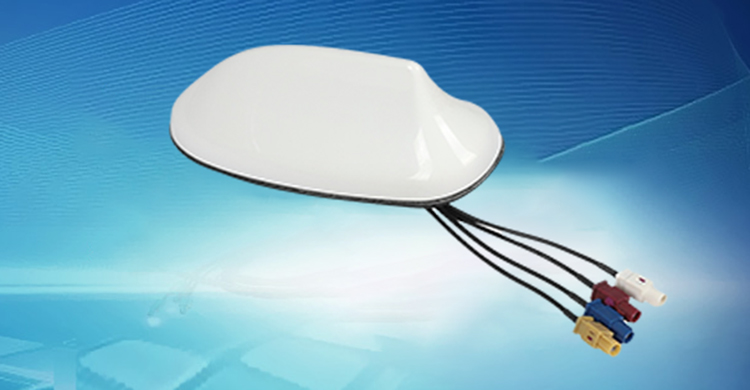
shape. For example, a shark fin antenna is a popular choice for reducing wind
noise due to its sleek and aerodynamic design.
Another method is to adjust the position of the antenna. By positioning the
antenna in a way that minimizes its exposure to the wind, such as by tilting it
backward or sideways, wind noise can be reduced. Additionally, some antennas can
be adjusted in height, which can also affect wind noise.
Using a wind deflector or fairing can also help to reduce wind noise. These
accessories are designed to redirect the airflow around the antenna, reducing
turbulence and noise. Wind deflectors can be attached to the antenna itself or
to the vehicle’s body.
In some cases, adding sound insulation to the vehicle’s interior can also
help to reduce wind noise. This can be done by adding insulation materials such
as foam or matting to the doors, roof, and floor of the vehicle. Sound
insulation can help to absorb and dampen the noise generated by the wind and
other sources.
reducing wind noise from a car antenna requires a combination of factors,
including choosing the right antenna design, adjusting its position, using
accessories such as wind deflectors, and adding sound insulation to the vehicle.
By taking these steps, drivers can enjoy a quieter and more comfortable driving
experience.










 Home >
  +86 186 8871 1070


