
Drones rely on antennas for communication and navigation. There are several different types of antennas used in drones, each with its own unique characteristics and applications.
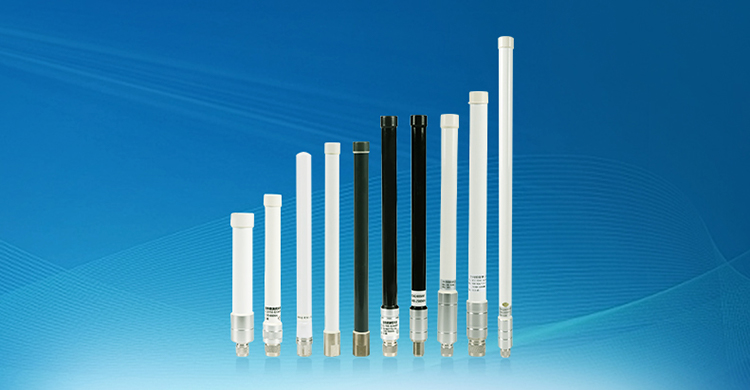
One common type of antenna for drones is the omnidirectional antenna. This type of antenna radiates and receives signals equally in all directions. Omnidirectional antennas are useful for drones that need to maintain communication with a ground station or other devices from any direction. They are often used in consumer drones and for applications where the drone’s orientation is constantly changing.
Another type of antenna is the directional antenna. Directional antennas focus the signal in a specific direction, providing greater range and signal strength in that direction. Directional antennas are often used in professional drones for applications such as surveying, mapping, and long-range communication. They require the drone to be pointed in the direction of the intended receiver or transmitter for optimal performance.
Patch antennas are also commonly used in drones. These antennas are flat and lightweight, making them ideal for use on small drones. Patch antennas are typically directional and can provide good signal strength and range in a specific direction. They are often used for applications such as video transmission and telemetry.
Helical antennas are another type of antenna used in drones. Helical antennas are circularly polarized and can provide good signal strength and range in a variety of environments. They are often used for applications such as long-range communication and GPS reception.
In addition to these types of antennas, there are also specialized antennas for specific applications such as 2.4GHz and 5.8GHz frequency bands, WiFi, and 4G/LTE communication. These antennas are designed to optimize performance for specific frequencies and communication protocols.
Overall, the choice of antenna for a drone depends on the specific application and requirements. Different types of antennas offer different advantages and disadvantages, and it is important to choose the right antenna for the job to ensure reliable communication and optimal performance.









 Home >
  +86 186 8871 1070


