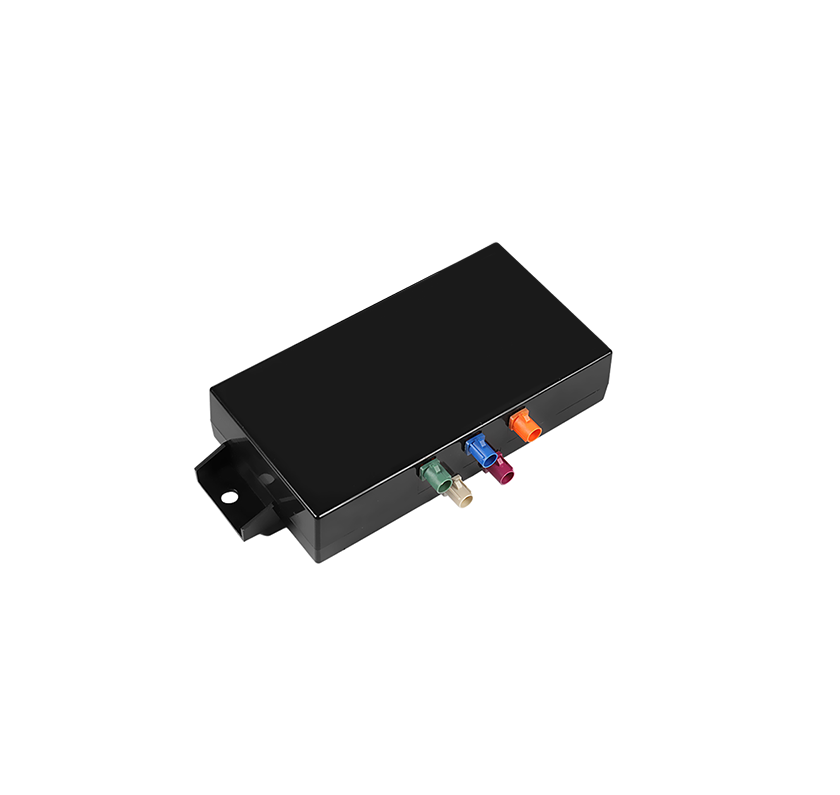
In the realm of the Internet of Things (IoT), the frequency band compatibility of antennas is of utmost importance. IoT devices operate in a wide range of frequencies, and ensuring that the antenna can work effectively across these different bands is crucial for seamless communication.
The frequency bands used in IoT can vary depending on the application and technology. For example, some IoT devices may use low-power wide-area networks (LPWANs) that operate in sub-GHz frequencies, while others may utilize Wi-Fi or Bluetooth, which operate in the 2.4 GHz and 5 GHz bands. Additionally, there are emerging technologies like 5G that will introduce new frequency bands for IoT applications.
An antenna with good frequency band compatibility is designed to be able to handle multiple frequencies without significant degradation in performance. This requires careful engineering and design considerations. The antenna must be able to resonate at the desired frequencies and have appropriate impedance matching to ensure efficient power transfer.
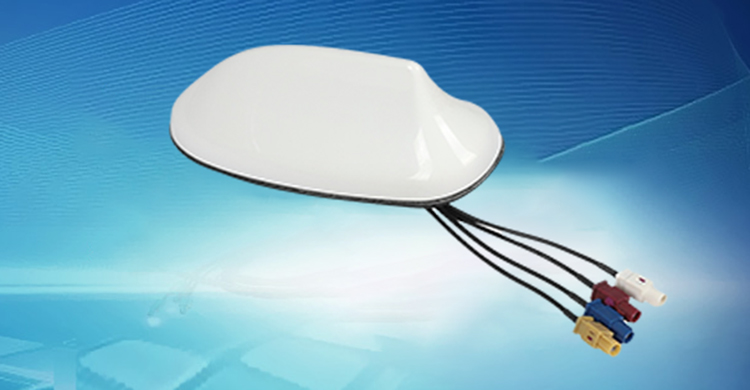
One approach to achieving frequency band compatibility is through the use of multi-band antennas. These antennas are designed to operate across multiple frequency bands simultaneously. They can be implemented using various techniques such as multiple resonant elements or frequency-selective surfaces.
Another consideration is the ability of the antenna to adapt to different frequency bands dynamically. Some IoT applications may require the antenna to switch between different frequencies depending on the network conditions or the specific requirements of the device. This can be achieved through software-defined radio (SDR) techniques or by using tunable antennas.
technical considerations, regulatory requirements also play a role in frequency band compatibility. Different countries and regions have different regulations regarding the use of frequency bands for IoT devices. Antenna manufacturers must ensure that their products comply with these regulations to avoid interference and ensure legal operation.
frequency band compatibility is a critical aspect of IoT antennas. By ensuring that the antenna can work effectively across the required frequency bands, IoT devices can achieve reliable and seamless communication, enabling the full potential of the Internet of Things.











 Home >
  +86 186 8871 1070


