Contact Contact

Get quotation
Language
×
News center News center

News center

Home >  News > Industry News > 

Radio Frequency Filters for Internet of Things (IoT) Devices

2024-08-02


  Radio Frequency Filters for Internet of Things (IoT) Devices

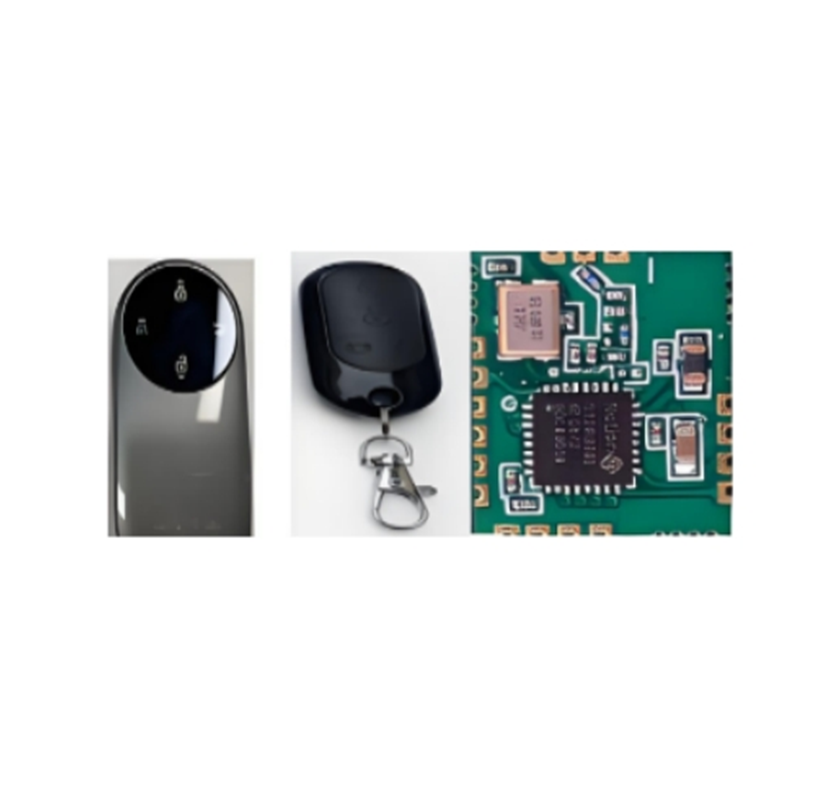
Radio frequency filters are indispensable in the realm of Internet of Things (IoT) devices. With the proliferation of IoT, an enormous number of devices are connected and communicate wirelessly. These devices operate in a congested radio frequency spectrum. A radio frequency filter in an IoT device serves to separate the desired communication frequencies from the background noise and interfering signals. For example, in a smart home environment, IoT devices such as smart thermostats, security cameras, and smart locks all rely on wireless communication. The filter in a smart thermostat ensures that the signals related to temperature sensing and control are not disrupted by signals from other nearby devices like Wi-Fi routers or Bluetooth-enabled gadgets. It allows only the specific frequency band used for its intended communication with the home automation hub to pass through, thereby maintaining the stability and accuracy of temperature regulation.

In industrial IoT settings, sensors and actuators used in manufacturing plants and infrastructure monitoring also require radio frequency filters. These filters help to protect the integrity of the data being transmitted. For instance, sensors monitoring the vibration of machinery or the temperature of industrial processes need to send accurate readings back to the control center. Any interference in the radio frequency signals could lead to incorrect data interpretation and potentially costly operational errors. The radio frequency filter is designed to have a high selectivity, which means it can precisely distinguish between the desired signal and unwanted frequencies. It also needs to be compact and energy-efficient to fit within the often-limited physical and power constraints of IoT devices. As the IoT ecosystem continues to expand and evolve, the demand for more advanced and reliable radio frequency filters will keep growing to ensure seamless and accurate wireless communication among the countless connected devices.

Read recommendations:

Antenna polarization loss

Applications of Automotive Antennas in Remote Control of Vehicles

5G Antenna Coverage Strategies in Remote Areas

Methods for Reducing Noise Figure of Antennas

Reciprocity in antenna measurement

Previous:Radio Frequency Filters for Sensor NetworksNext:Radio Frequency Identification Function of IoT Antennas

Have a question. Talk to our Sales, Engineering or CS Teams today.

Contact
SHENZHEN VLG WIRELESS TECHNOLOGY CO., LTD

You can also reach us on +86 186 8871 1070, or sales@vlg-tech.com. Our sales department will reply to you soon.

Leave a message

    This site is registered on wpml.org as a development site. Switch to a production site key to remove this banner.