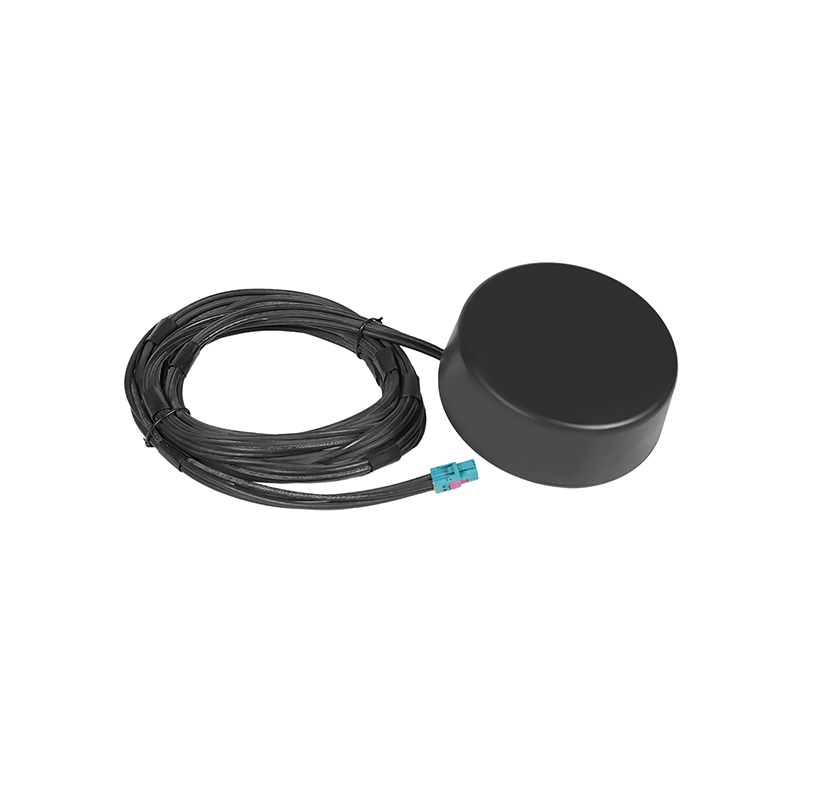
In the complex electromagnetic environment, the anti – interference ability of an antenna is of crucial importance for ensuring the reliable reception and transmission of signals.
1. Sources of Interference
There are multiple sources of interference that can affect an antenna. Natural interference sources include lightning, which generates strong electromagnetic pulses that can disrupt antenna signals over a wide frequency range. Solar flares also release a large amount of electromagnetic radiation, which may interfere with satellite – based antennas. Man – made interference is even more prevalent. For example, other communication devices operating in the same frequency band can cause co – channel interference. Power lines can produce electromagnetic fields that induce unwanted currents in the antenna, leading to interference. 2. Antenna Design Features for Anti – interference
Directional antennas are designed to receive or transmit signals in a specific direction. By focusing the antenna’s radiation pattern, they can reduce the impact of interference from other directions. For instance, a parabolic dish antenna used in satellite communication has a highly focused beam, which minimizes the capture of interfering signals from side – lobes. Another approach is polarization. Using antennas with specific polarization, such as vertical or circular polarization, can help reject interference. If the interfering signal has a different polarization from the desired signal, the antenna can be designed to be less sensitive to the interfering polarization.
3. Signal Processing Techniques for Anti – interference
Digital signal processing (DSP) plays a significant role in enhancing antenna anti – interference ability. Adaptive filtering algorithms can be implemented. These algorithms continuously monitor the received signal and adjust the filter coefficients in real – time to minimize the interference. For example, if a particular frequency – band interference is detected, the adaptive filter can attenuate that frequency component while preserving the integrity of the desired signal. In addition, spread – spectrum techniques are often used. By spreading the signal over a wide frequency band, the power spectral density of the signal is reduced, making it more difficult for narrow – band interference to disrupt the signal. The receiver can then despread the signal to recover the original information. Overall, the combination of proper antenna design and advanced signal processing techniques is essential for improving the anti – interference ability of antennas.














 Home >
  +86 186 8871 1070


