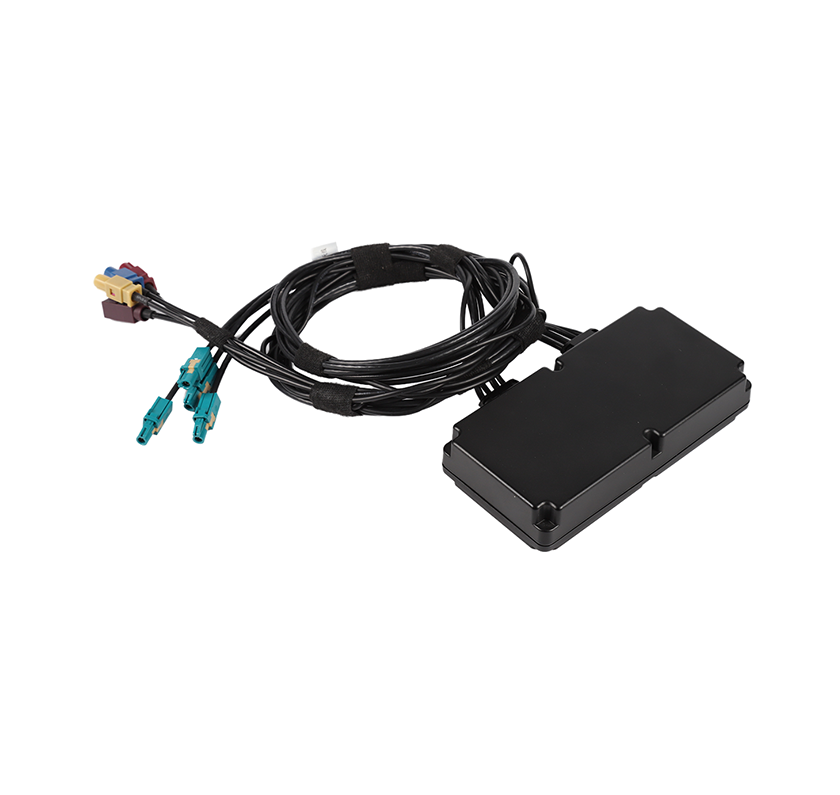
Antenna power input refers to the amount of electrical power supplied to an antenna to generate electromagnetic radiation. Understanding the power input is essential for ensuring the proper operation of an antenna and the overall performance of a wireless communication system.
Power Transmission and Matching
The power input to an antenna is transmitted through a transmission line, such as a coaxial cable or a waveguide. To ensure efficient power transfer from the source (e.g., a transmitter) to the antenna, impedance matching is crucial. The impedance of the transmission line, the source, and the antenna should be matched. This matching network can be composed of reactive elements like inductors and capacitors. When the impedances are matched, the maximum amount of power can be transferred from the source to the antenna.
Power Requirements for Different Antennas
The power input requirements vary depending on the type of antenna and its application. Small – scale antennas used in mobile devices, such as smartphones, typically require relatively low power input. These antennas are designed to operate efficiently with the limited power available from the device’s battery. In contrast, large – scale antennas used in base stations or satellite communication systems may require significant power input. For example, a base station antenna in a cellular network may need to transmit a strong signal over a large coverage area. To achieve this, it may be powered with several watts of electrical power. The power input also depends on the desired signal strength at the receiving end. If a long – range communication is required, a higher power input to the antenna may be necessary to ensure that the signal can reach the intended receiver with sufficient strength.
Monitoring and Controlling Power Input
In a wireless communication system, it is important to monitor and control the power input to the antenna. Monitoring the power input can help detect any abnormalities in the system, such as a sudden increase or decrease in power consumption. This can be an indication of a problem with the antenna, the transmission line, or the source. Controlling the power input can be used to adjust the signal strength according to the requirements of the communication link. For example, in a system where the distance between the transmitter and the receiver varies, the power input to the antenna can be adjusted to maintain a stable signal – to – noise ratio.















 Home >
  +86 186 8871 1070


