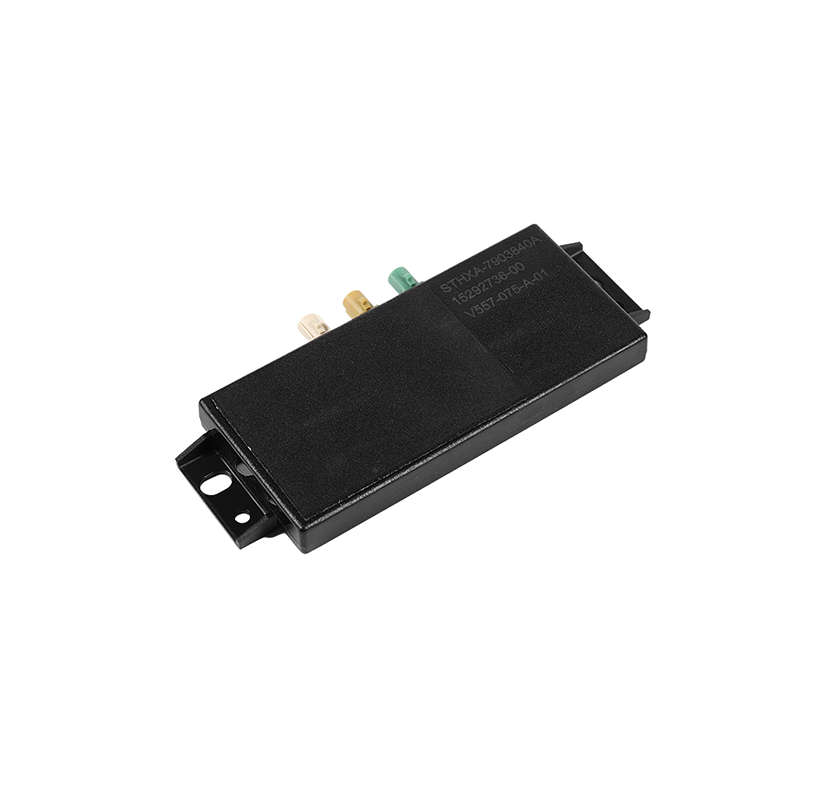
IoT omnidirectional antennas play a crucial role in ensuring stable communication for a wide range of Internet of Things devices. These antennas are designed to radiate and receive signals in all directions in a horizontal plane, making them suitable for applications where devices need to communicate with multiple other devices or base stations without the need for precise alignment.
One of the key factors contributing to the signal stability of IoT omnidirectional antennas is their ability to cover a wide area. In an IoT network, devices may be spread out over a large geographical region. An omnidirectional antenna can provide a 360 – degree coverage, ensuring that all devices within its range can communicate effectively. For example, in a smart city environment, IoT sensors placed on street lamps, traffic signs, and buildings can use omnidirectional antennas to send data to a central base station. The wide – area coverage of these antennas helps to minimize dead zones, where devices may not be able to establish a connection.
Another aspect that affects signal stability is the antenna’s resistance to environmental factors. IoT devices are often deployed in outdoor environments, where they are exposed to various weather conditions, such as rain, snow, and extreme temperatures. Omnidirectional antennas are designed to be robust and can withstand these environmental challenges. They are typically made of materials that are resistant to corrosion and have good electrical properties even in adverse conditions. For instance, antennas with waterproof coatings and UV – resistant materials can maintain their performance over time, ensuring stable signal transmission in all weather conditions.
The frequency band used by IoT omnidirectional antennas also impacts signal stability. Many IoT applications operate in the sub – GHz frequency bands, such as 868 MHz and 915 MHz. These frequency bands offer better penetration through obstacles like buildings and foliage compared to higher – frequency bands. As a result, IoT devices equipped with omnidirectional antennas operating in these sub – GHz bands can maintain a stable connection even in areas with a high density of obstacles.
Moreover, the design of the IoT omnidirectional antenna, including its radiation pattern and impedance matching, is optimized for stable signal performance. A well – designed antenna can ensure that the signal is radiated evenly in all directions, reducing the likelihood of signal dropouts or weak spots. Additionally, proper impedance matching between the antenna and the device it is connected to helps to maximize the power transfer, further enhancing the signal stability. By addressing these factors, IoT omnidirectional antennas can provide reliable and stable communication for a wide range of IoT applications, from smart home devices to industrial monitoring systems.
















 Home >
  +86 186 8871 1070


