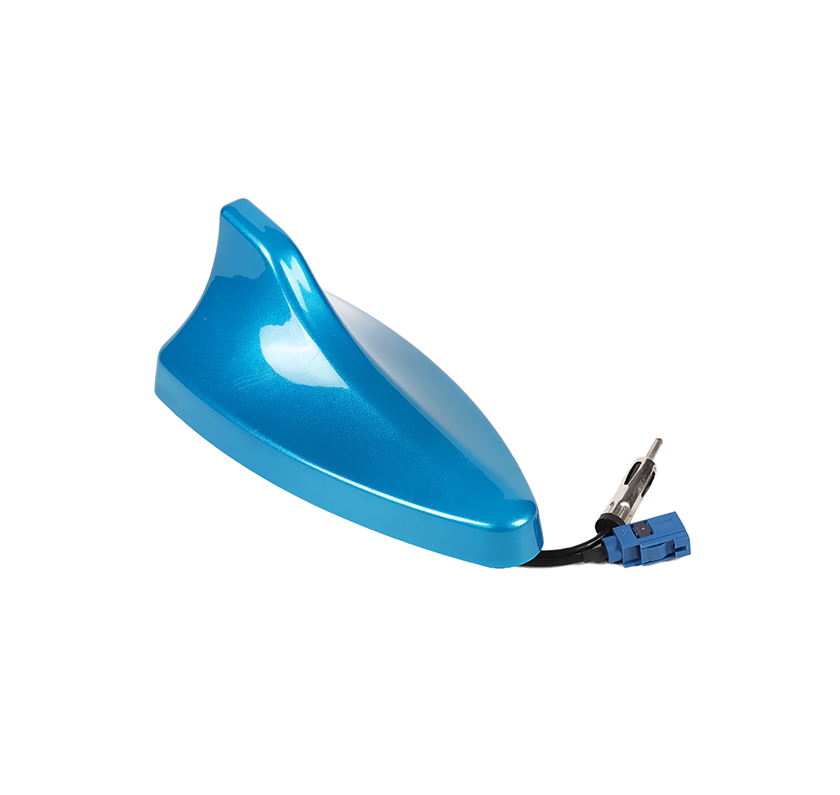
The optimization design of antennas is a complex process that aims to improve the performance of antennas in various applications, including automotive applications.Antenna Shape and Structure Optimization
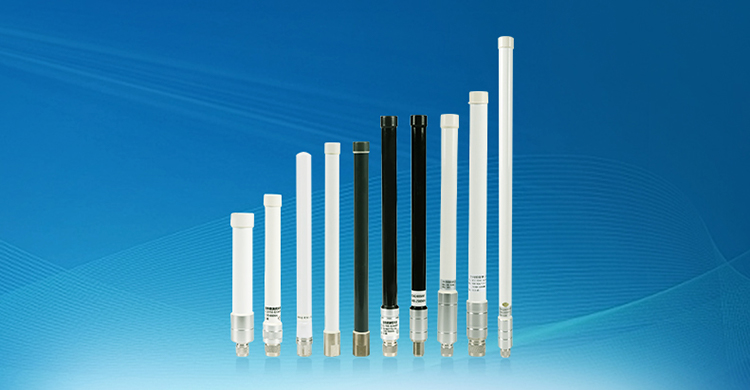
The shape and structure of an antenna have a significant impact on its performance. In automotive antennas, different shapes are designed to meet specific requirements. For example, a monopole antenna, which is a simple and common type, has a straight rod – like structure. By adjusting the length of the monopole, its resonance frequency can be tuned. In some cases, the monopole may be bent or shaped in a way to fit the vehicle’s body structure while still maintaining good performance. Another example is the patch antenna, which has a flat, planar structure. Patch antennas can be easily integrated into the vehicle’s body, such as on the roof or in the bumper. The size and shape of the patch can be optimized to achieve a desired radiation pattern. For instance, if the antenna needs to have a more focused radiation pattern in a particular direction, the shape of the patch can be modified accordingly.Material Selection for Antennas
The choice of materials for antennas is crucial in optimization. Conductive materials, such as copper and aluminum, are commonly used for the radiating elements of antennas due to their high electrical conductivity. However, in automotive applications, factors like corrosion resistance and weight also need to be considered. For example, aluminum is often preferred over copper in some cases because it is lighter and more corrosion – resistant, which is important for automotive antennas that are exposed to various environmental conditions. Dielectric materials, which are used in the construction of antennas to insulate the conductive elements, also play a role. The permittivity of the dielectric material can affect the antenna’s performance, such as its resonance frequency and radiation efficiency. Advanced dielectric materials with specific permittivity values are often selected to optimize the antenna design.Antenna Placement and Integration in Vehicles
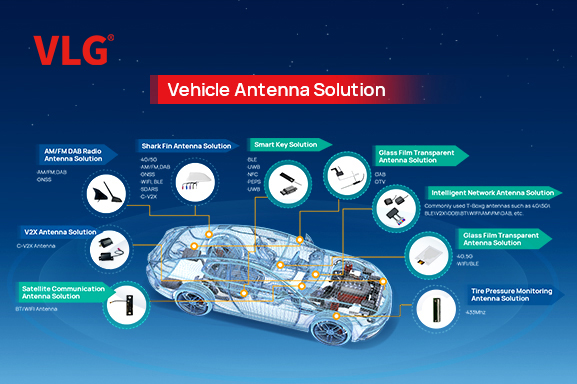
Proper antenna placement in vehicles is essential for optimal performance. In automotive design, antennas need to be placed in locations that minimize interference from other vehicle components and provide good signal reception and transmission. For example, rooftop antennas are a common choice as they are relatively free from obstructions and can have a clear line – of – sight for communication. However, in some modern vehicles, antennas are integrated into the body, such as in the windshield or rear – view mirrors. When integrating antennas into the vehicle body, special care needs to be taken to ensure that the vehicle’s body materials, such as metal or glass, do not negatively impact the antenna’s performance. This may involve using special coatings or designs to enhance the antenna’s compatibility with the vehicle’s structure.












 Home >
  +86 186 8871 1070


