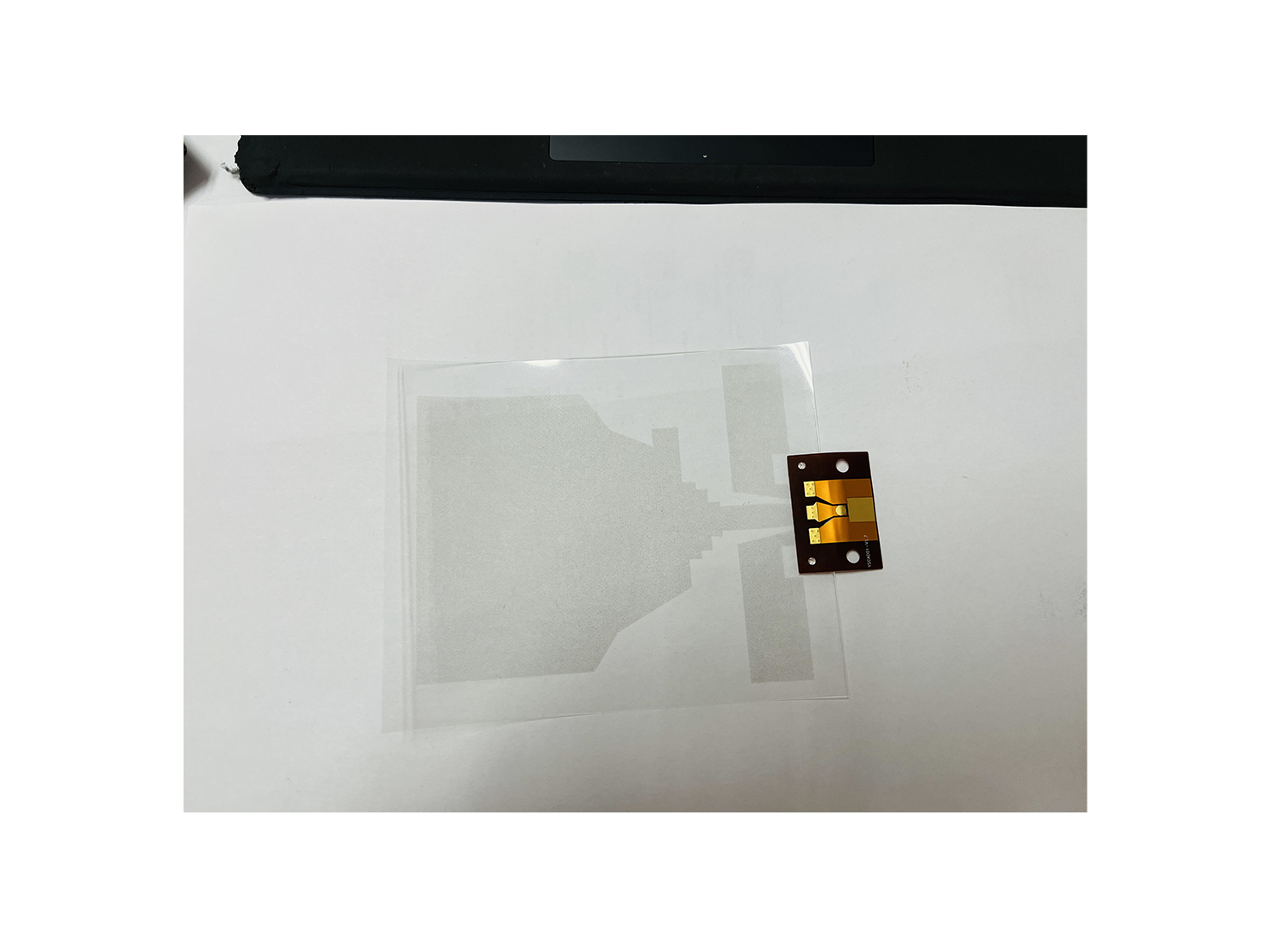
Over – the – air (OTA) technology has transformed the automotive industry, allowing vehicles to receive software updates, feature enhancements, and bug fixes wirelessly. Automotive antennas are the linchpin of this technology, facilitating the seamless transfer of data between the vehicle and external servers, thereby enabling OTA functionality.
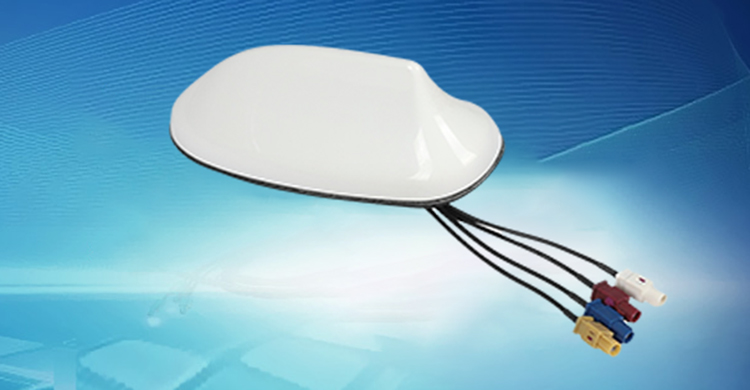
Automotive antennas are designed to support multiple communication protocols required for OTA operations. They are capable of receiving signals from various sources, including cellular networks, satellite systems, and Wi-Fi hotspots. When an OTA update is available, the vehicle’s antenna picks up the signal containing the update data. For example, in the case of a cellular – based OTA update, the vehicle’s cellular antenna establishes a connection with the mobile network. The update data, which can range from new infotainment system software to critical safety – related firmware updates, is then transmitted to the vehicle in packets.
The quality and reliability of the antenna’s signal reception are of utmost importance in OTA processes. A strong and stable signal ensures that the update data is received accurately and without interruptions. Any signal degradation or interference can lead to incomplete or corrupted updates, which may cause system malfunctions or even render the vehicle inoperable. To address this, automotive antennas are equipped with advanced signal processing capabilities. They can filter out noise and interference, enhancing the clarity of the received signal. Additionally, some antennas are designed with multiple elements or arrays, which can improve the signal – to – noise ratio and increase the range of signal reception.
Once the update data is received by the antenna, it is transferred to the vehicle’s onboard computer system. The computer then verifies the integrity of the data and initiates the installation process. During this process, the antenna continues to maintain communication with the server to ensure that any additional instructions or data required for the update are received. For example, if the update requires a specific configuration change, the server can send the necessary commands to the vehicle via the antenna.
OTA updates not only improve the functionality and performance of the vehicle but also enhance its safety. With the help of automotive antennas, manufacturers can quickly distribute security patches and software fixes to address potential vulnerabilities. This proactive approach to vehicle maintenance ensures that vehicles remain safe and secure on the road. Moreover, OTA technology allows for the introduction of new features and services, such as improved navigation systems, enhanced driver – assistance functions, and even new vehicle – to – everything (V2X) communication capabilities. In summary, automotive antennas are essential for the successful implementation of vehicle OTA, enabling continuous improvement and innovation in the automotive industry.











 Home >
  +86 186 8871 1070


