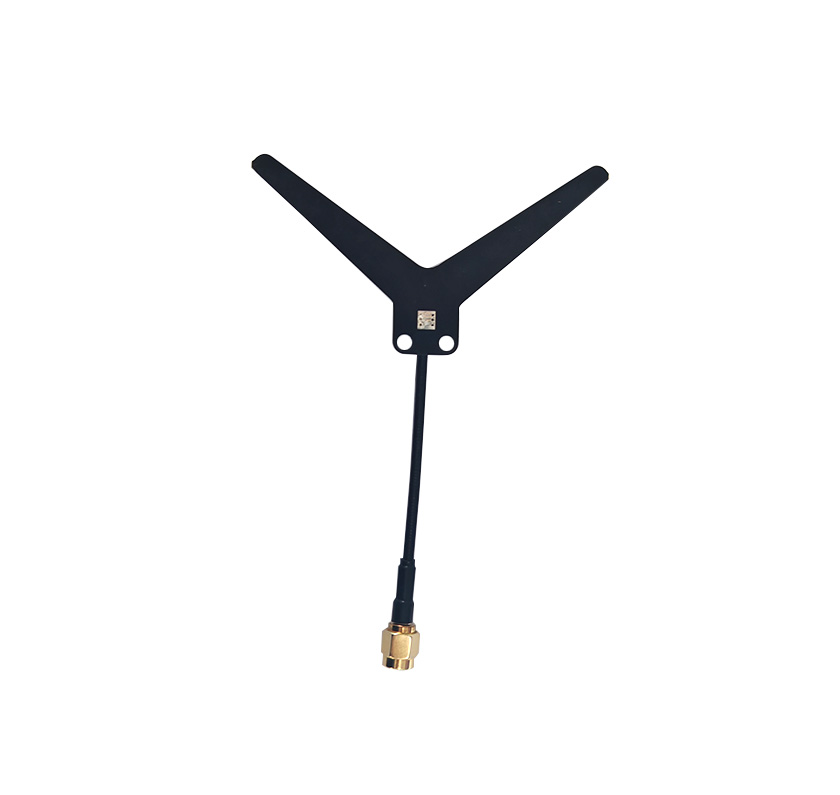
In the rapidly evolving field of antenna technology, electromagnetic new materials have emerged as a pivotal factor driving innovation and performance enhancement. These materials possess unique electromagnetic properties that enable antennas to operate more efficiently, achieve higher gains, and support a broader range of frequencies.
One of the most significant categories of electromagnetic new materials is metamaterials. Metamaterials are artificially engineered structures composed of sub – wavelength elements. Their distinctive property lies in the ability to manipulate electromagnetic waves in ways that natural materials cannot. For antennas, metamaterials can be used to control wave propagation, direct radiation patterns, and reduce interference. For instance, negative – index metamaterials can guide electromagnetic waves in unconventional directions, allowing antennas to achieve highly directional radiation with a smaller physical footprint. This is particularly valuable in applications where space is limited, such as in compact wireless devices or satellite communication systems.
Graphene is another revolutionary material that has attracted extensive attention in antenna research. Graphene, a two – dimensional carbon – based material, offers excellent electrical conductivity, mechanical flexibility, and chemical stability. In antenna applications, graphene – based antennas can operate over a wide frequency range, from microwave to terahertz frequencies. Its high conductivity enables low – loss signal transmission, while the flexibility of graphene allows for the fabrication of antennas that can be integrated into flexible substrates. This paves the way for the development of wearable antennas and conformal antennas that can be attached to irregular surfaces, such as the human body or the exterior of aircraft.
Ferromagnetic and ferrimagnetic materials with tailored electromagnetic properties are also being explored for antenna applications. These materials can enhance the magnetic response of antennas, which is beneficial for improving the antenna’s impedance matching and radiation efficiency, especially at lower frequencies. By incorporating these materials into antenna designs, it becomes possible to miniaturize antennas without sacrificing performance. Additionally, new composite materials, which combine different substances to achieve synergistic electromagnetic effects, are constantly being developed. For example, composites of polymers and conductive nanoparticles can offer a balance between mechanical flexibility and electromagnetic functionality, making them suitable for the production of lightweight and efficient antennas. As research into electromagnetic new materials continues, they are expected to open up new possibilities for antenna design, leading to more powerful, compact, and versatile antenna systems in the future.


















 Home >
  +86 186 8871 1070


