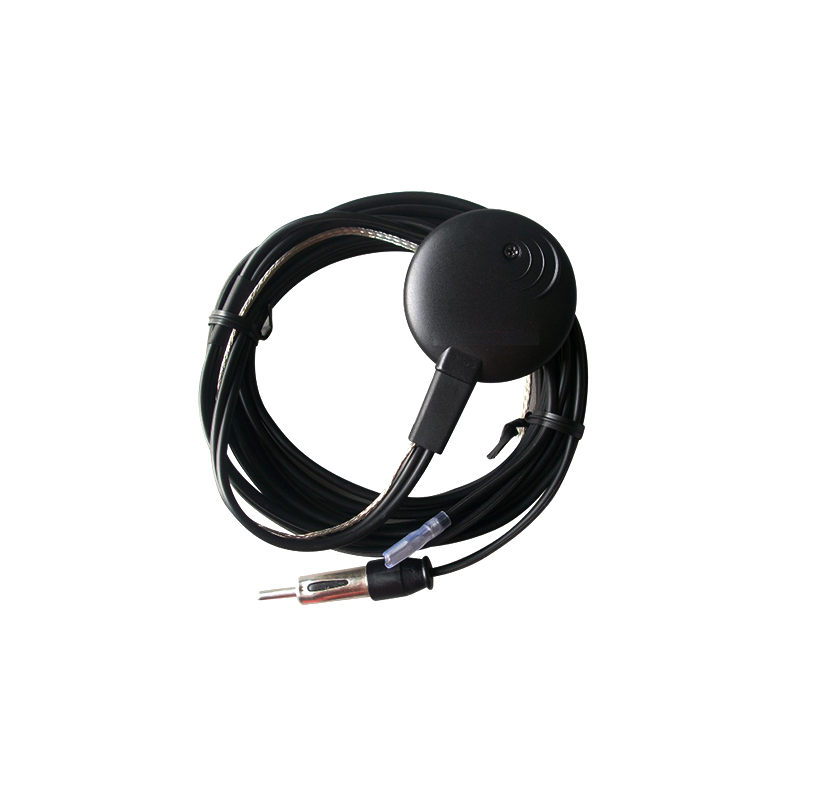
Glass antennas have found a unique and increasingly important application in electronic glass, which combines the functionality of glass with electronic capabilities. Electronic glass is used in a wide range of applications,including automotive windshields, smart windows, and display screens, and the integration of glass antennas within this medium offers several advantages.
In the automotive industry, glass antennas integrated into windshields or side windows are becoming more common. These antennas take advantage of the large surface area of the glass, providing a aesthetically pleasing solution for vehicle communication systems. For example, AM/FM radio, GPS, and cellular communication antennas can be embedded within the glass. The glass antenna is typically formed by depositing a thin layer of conductive material, such as indium – tin – oxide (ITO) or a metallic mesh, on the surface or within the layers of the glass. This conductive layer acts as the radiating element of the antenna. The design of the glass antenna needs to consider the properties of the glass, such as its thickness, transparency, and dielectric constant, to ensure optimal performance.
In smart windows, glass antennas enable wireless communication for functions like adjusting the transparency of the glass, controlling integrated sensors, or connecting to building automation systems. The antenna can be used to receive signals from a remote control device or a central management system,allowing for the intelligent control of the window’s properties. For example, in
a building with smart windows, the glass antenna can receive signals to change the tint of the windows based on the outdoor light intensity or temperature,optimizing energy efficiency and comfort.
In display screens made of electronic glass, glass antennas can be used for near – field communication (NFC), Bluetooth, or Wi – Fi connectivity. This integration eliminates the need for external antennas, reducing the overall size and complexity of the display device. The glass antenna can be designed to be transparent or semi – transparent, ensuring that it does not interfere with the
visual quality of the display. As the demand for more integrated and functional electronic glass continues to grow, the development of glass antennas will play a crucial role in enabling seamless wireless communication within these applications, enhancing their usability and performance.














 Home >
  +86 186 8871 1070


