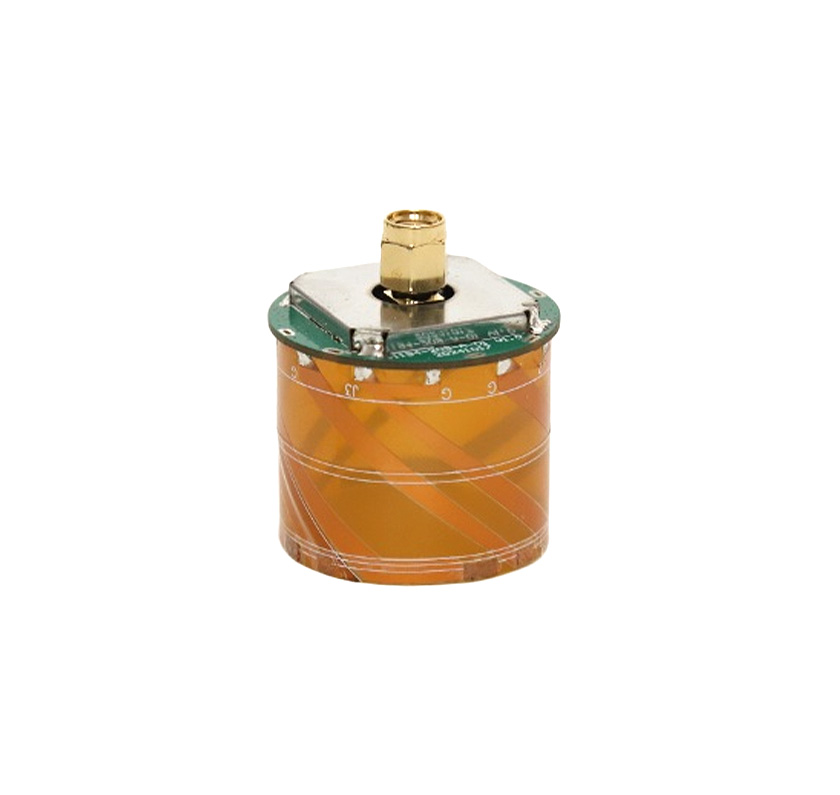
Antennas play a crucial role in smart home Internet of Things (IoT) systems, enabling seamless communication between various smart devices and the central control hub or the cloud. As smart homes become more interconnected,with devices ranging from smart thermostats and security cameras to voice -controlled assistants, the demand for reliable, high – performance antennas has
grown significantly.
One of the key requirements for smart home IoT antennas is wide – frequency- band coverage. Smart home devices often operate on multiple wireless protocols, such as Wi – Fi (2.4 GHz and 5 GHz bands), Bluetooth, Zigbee, and Z -Wave. Antennas need to support these different frequencies to ensure compatibility and stable communication. For example, dual – band Wi – Fi antennas that can operate on both the 2.4 GHz and 5 GHz bands are commonly used.The 2.4 GHz band offers better penetration through walls and obstacles but has lower data transfer rates, while the 5 GHz band provides higher speeds but has shorter range. Antennas designed for smart home IoT are optimized to balance these characteristics, allowing for efficient data transmission across different
devices.
In addition to frequency coverage, antenna design in smart home IoT focuses on miniaturization and integration. With the trend of compact and aesthetically pleasing smart devices, antennas need to be small enough to fit within the limited space of these devices without sacrificing performance. Planar inverted- F antennas (PIFAs) and printed monopole antennas are popular choices due to their small size and ease of integration into printed circuit boards (PCBs).These antennas can be fabricated using printed circuit technology, reducing production costs and enabling mass production.
Another important aspect is the antenna’s radiation pattern. In a smart home environment, omnidirectional antennas are often preferred as they can transmit and receive signals evenly in all directions. This ensures that devices located in different parts of the house can communicate effectively with the central hub. However, in some cases, directional antennas may be used to focus the signal in a specific direction, for example, to improve the communication between a smart device and a router located in a particular room.
Moreover, the reliability of antennas in smart home IoT is essential. They need to be able to withstand environmental factors such as temperature changes,humidity, and electromagnetic interference. Antennas are often shielded or encapsulated to protect them from these external influences. Additionally,advanced signal processing techniques are used to enhance the signal – to -noise ratio and ensure stable communication even in the presence of interference. As smart home technology continues to evolve, the development of more advanced antennas with improved performance, smaller size, and better integration capabilities will be crucial for the growth and success of smart home IoT systems.










 Home >
  +86 186 8871 1070


