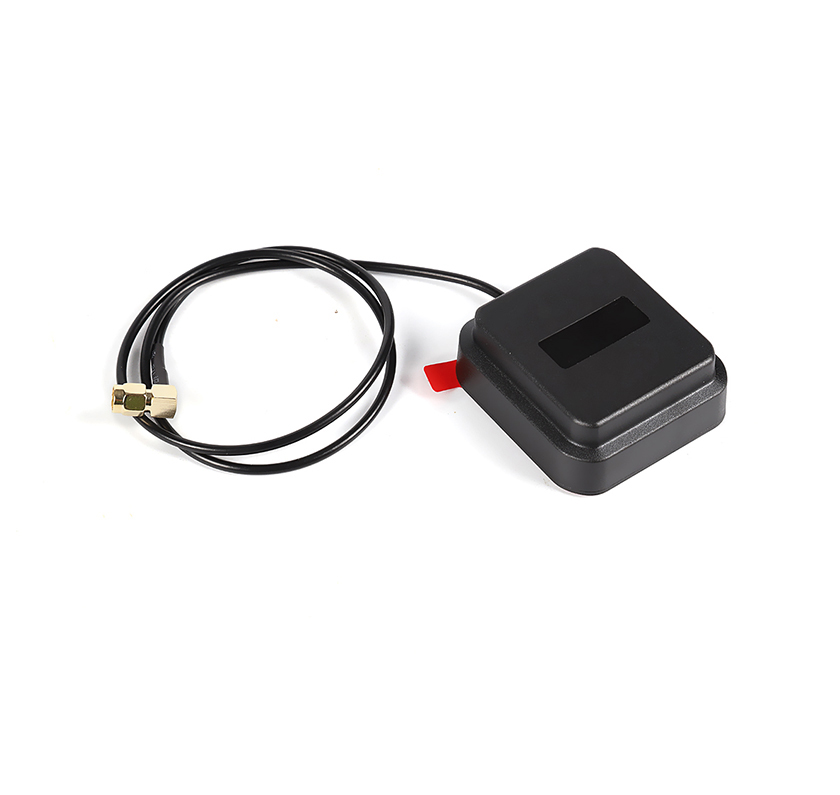
Automotive wiring harnesses, a complex network of electrical cables,connectors, and terminals, are essential for transmitting power and signals within vehicles. Analyzing their equivalent models is crucial for understanding electrical characteristics, predicting performance, and addressing potential issues such as electromagnetic interference (EMI) and signal integrity degradation.
An automotive wiring harness can be modeled as a combination of resistive, inductive, and capacitive elements. The resistance of the wires accounts for the power loss due to the electrical resistivity of the conductor material. Inductance, on the other hand, is generated by the magnetic fields around the current-carrying wires. Long wires or tightly bundled cables can have significant inductance, which can cause voltage drops and signal delays, especially at high frequencies. Capacitance exists between adjacent wires, as well as between the wires and the vehicle’s chassis, and it affects the coupling of electrical signals and the susceptibility to EMI.
To simplify the analysis, the wiring harness can be divided into smaller segments, each represented by an equivalent circuit. For example, a short length of wire can be modeled as a simple resistor in series with an inductor, while a longer wire may require a more complex model that includes distributed capacitance. Multiconductor transmission line theory is often applied to analyze
the behavior of bundled cables, taking into account the mutual inductance and capacitance between different conductors.
In addition to the electrical components, the physical structure of the wiring harness, such as the routing, shielding, and grounding, also impacts its equivalent model. Shielded cables can reduce electromagnetic coupling and EMI by confining the electromagnetic fields within the shield. Proper grounding is essential for minimizing noise and ensuring the stability of the electrical system. By incorporating these factors into the equivalent model, engineers can simulate the behavior of the wiring harness under various operating conditions, optimize its design, and mitigate potential issues related to signal integrity and electromagnetic compatibility.









 Home >
  +86 186 8871 1070


