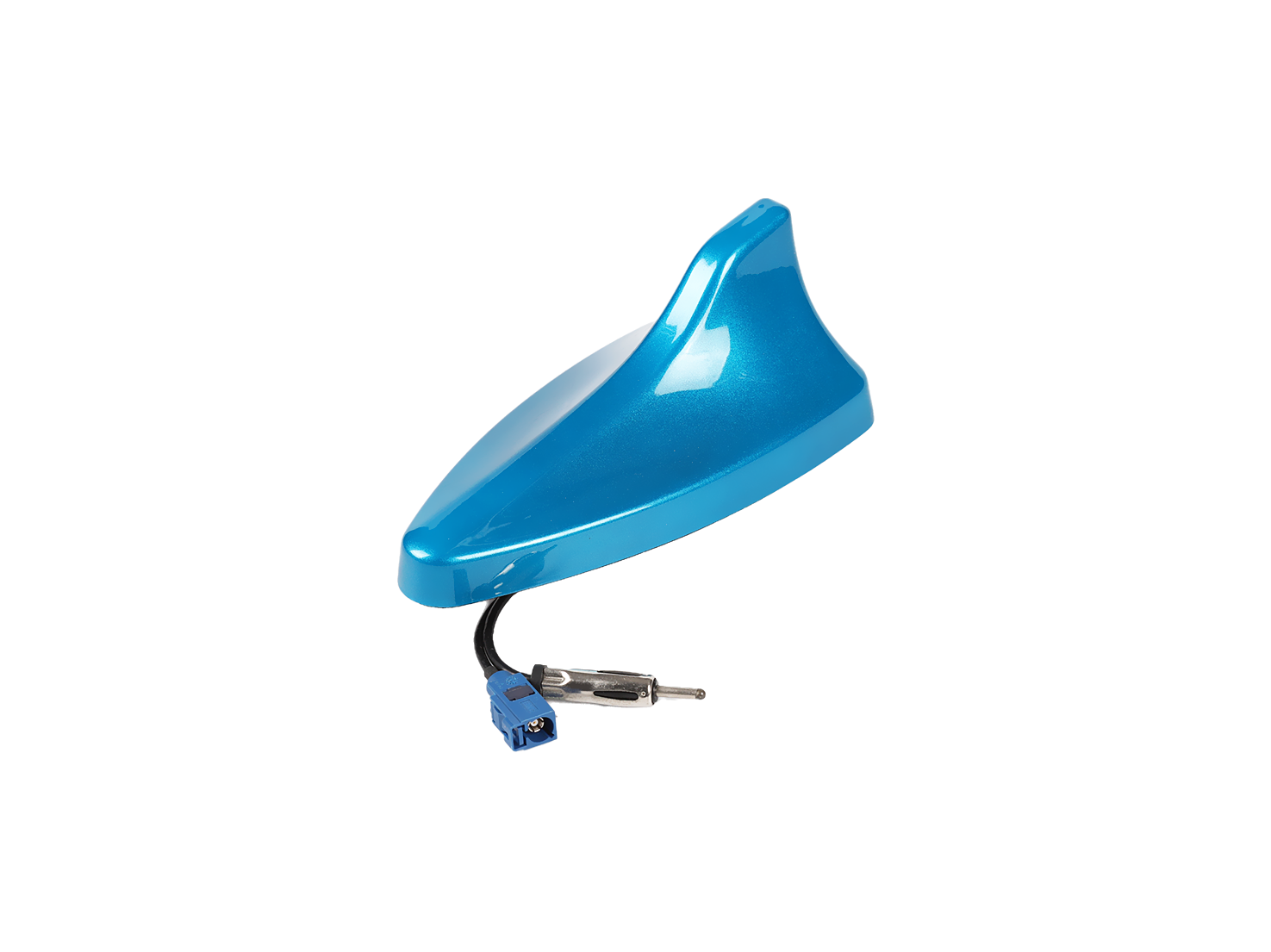
Automotive antennas for vehicle – mounted cameras are essential for enabling various functions, including real – time video transmission, remote monitoring, and communication with advanced driver – assistance systems (ADAS).These antennas need to support high – speed data transfer to ensure smooth and clear video streaming, as well as reliable communication in different driving conditions.
High – frequency antennas, such as those operating in the 5 GHz or millimeter – wave (mmWave) bands, are commonly used for vehicle – mounted cameras. These frequencies offer higher data transfer rates, which are crucial for transmitting high – definition video signals. For example, in applications like rear – view cameras, surround – view cameras, and dashcams, the ability to quickly and accurately transmit video data is essential for providing the driver with clear and timely visual information. Antennas operating in these high – frequency bands can support data transfer rates of several gigabits per second, ensuring that the video footage is transmitted without lag or distortion.
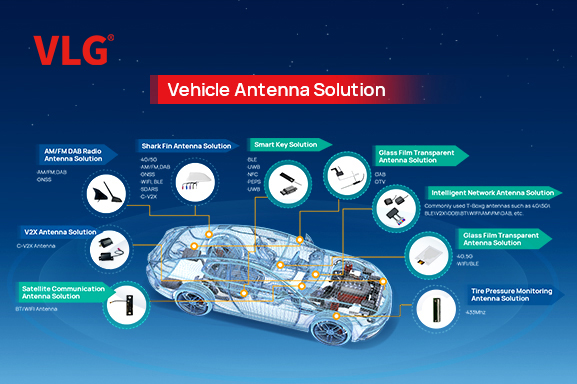
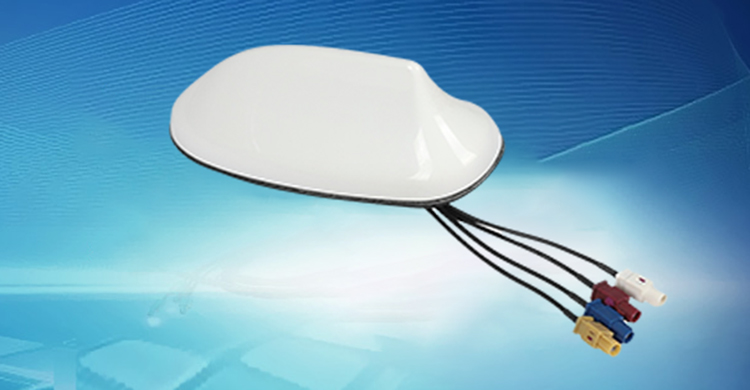
The design of automotive antennas for vehicle – mounted cameras also needs to consider the vehicle’s aerodynamics and aesthetics. These antennas are often integrated into the vehicle’s body, such as the roof, rear spoiler, or side mirrors, to minimize wind resistance and maintain the vehicle’s sleek appearance. Antennas with a low – profile design, such as planar antennas or conformal antennas, are preferred as they can be easily incorporated into the vehicle’s structure without adding significant protrusions. Additionally, the antennas need to be positioned in a way that maximizes the signal strength and coverage while avoiding interference from other vehicle components, such as the engine, wheels, and other antennas.
In addition to video transmission, automotive antennas for vehicle – mounted cameras also play a role in communication with ADAS. These antennas enable the camera to send and receive data, such as object detection information, lane – keeping assistance data, and collision – avoidance alerts, to and from other ADAS components within the vehicle. This communication is essential for the proper functioning of ADAS, as it allows the vehicle to make real – time decisions based on the information captured by the cameras. To ensure reliable communication, antennas are designed with features such as high gain, wide bandwidth, and strong resistance to electromagnetic interference. Overall, automotive antennas for vehicle – mounted cameras are key components
that enable advanced video – based functions and enhance the safety and convenience of driving by facilitating seamless communication between the cameras and other vehicle systems.









 Home >
  +86 186 8871 1070


