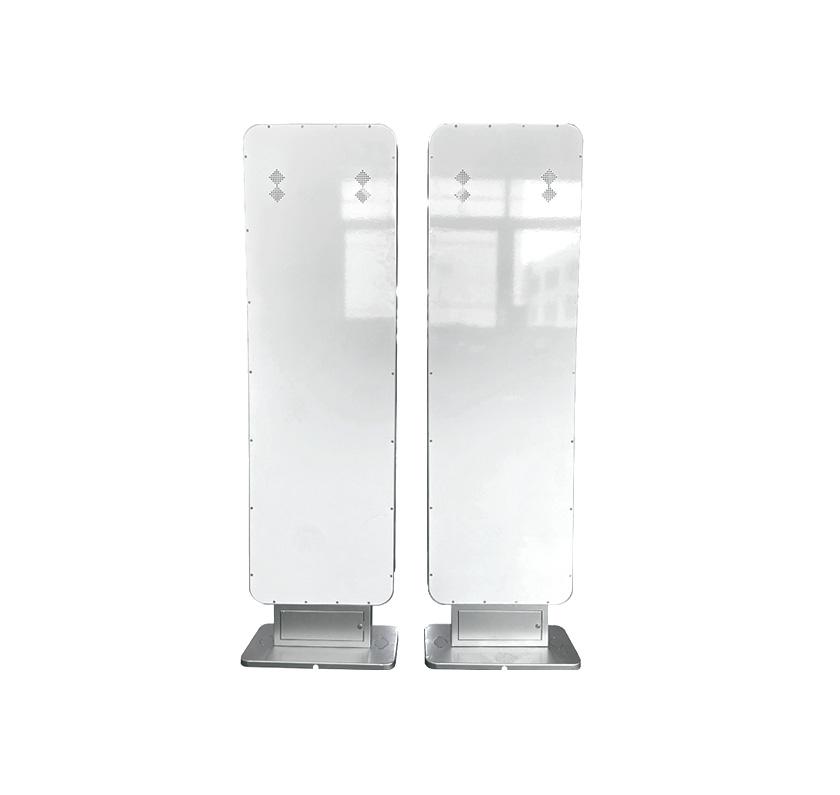
IoT antennas and internet antennas, though both serving as communication components, differ significantly in multiple aspects.
Firstly, operating frequency bands set them apart. Internet antennas primarily work in high-frequency bands like 2.4GHz and 5GHz, tailored for high-speed data transmission in scenarios such as home Wi-Fi and broadband networks. These bands enable rapid exchange of large volumes of data, such as streaming high-definition videos or downloading large files. In contrast, IoT antennas often operate in lower frequency bands, including sub-1GHz (e.g.,868MHz, 915MHz) and LPWAN (Low-Power Wide-Area Network) bands like LoRa and NB-IoT. These lower frequencies offer better penetration through obstacles like walls and buildings, making them suitable for IoT devices deployed in complex environments such as industrial sites or remote areas.
Secondly, data transmission requirements vary. Internet antennas focus on high data rates to meet the demands of real-time, large-data applications. They are designed to handle peak data rates of hundreds of Mbps or even Gbps. On the other hand, IoT antennas prioritize low data rates. Most IoT devices, such as smart meters, environmental sensors, and asset trackers, only need to transmit small packets of data periodically, like temperature readings or location updates. This low-rate transmission reduces power consumption, which is crucial for IoT devices that often rely on batteries and need long operational lifespans.
Thirdly, coverage range and power efficiency differ. Internet antennas typically have a limited coverage range, usually within a few hundred meters, as they are intended for short-range, high-density connectivity. They consume more power to maintain high-speed transmission. IoT antennas, however, are engineered for wide coverage, sometimes reaching several kilometers, especially in LPWAN technologies. Their low-power design allows IoT devices to operate for years without battery replacement, a key advantage in applications where frequent maintenance is impractical.








 Home >
  +86 186 8871 1070


