Selecting a reliable ceramic antenna GPS solution is a key challenge for engineers developing compact wireless devices. Limited installation space, unstable signal performance and strict product requirements often make antenna integration difficult, especially for GPS tracking devices, automotive systems and IoT terminals.
VLG provides customized antenna solutions for GNSS, IoT, automotive and wireless communication applications. With flexible options including antenna size, frequency range, polarization mode and soldering pad design, VLG helps customers achieve stable positioning performance while meeting different device requirements.
Why Choose Ceramic Antenna GPS Technology for Modern Devices?
As electronic products become smaller and smarter, antenna design has become increasingly important. A suitable antenna must provide reliable signal reception while fitting into compact product structures.
A GPS ceramic antenna uses ceramic material as the antenna base, with antenna patterns printed or embedded through specialized manufacturing processes. This design provides excellent stability, compact size and flexible integration options.
Key Benefits of Ceramic GPS Antenna Solutions
Compact and Lightweight Structure
Space efficiency is one of the main advantages of ceramic antenna technology. Compared with traditional antenna structures, ceramic antennas provide better integration for devices where PCB space is limited.
Typical applications include:
- GPS tracking equipment
- Smart wearable devices
- Vehicle navigation systems
- Industrial IoT terminals
- Smart home products
Stable Signal Performance
A well-designed ceramic GPS antenna can maintain consistent RF performance in different operating environments. The ceramic material provides stable dielectric characteristics, helping improve signal reception and positioning accuracy.
For applications requiring continuous location monitoring, such as fleet management systems and asset tracking devices, antenna reliability directly affects overall product performance.
Excellent Temperature Resistance
Ceramic materials provide strong thermal stability and chemical resistance. VLG ceramic antenna products can withstand temperatures of approximately 200–300°C without deformation, supporting applications that require long-term operation in demanding environments.
Flexible Customization for Different Applications
Different devices have different antenna requirements. VLG supports customized antenna designs according to customer specifications.
Customization options include:
- Antenna size
- Antenna thickness
- Frequency range
- Polarization mode
- Soldering pad design
This flexibility allows engineers to integrate the antenna more efficiently into specific PCB layouts and product structures.
VLG Ceramic Antenna GPS Solutions for Automotive and IoT Applications
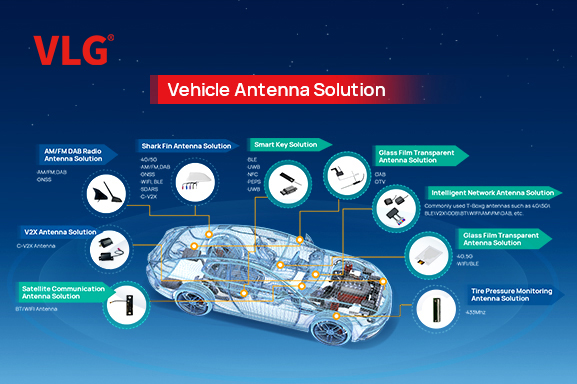
VLG specializes in antenna research, development, production and technical support for wireless communication industries. The company provides solutions covering automotive antennas, IoT antennas, GNSS antennas and related RF products.
VLG has obtained ISO9001, ISO14001 and IATF16949 certifications, ensuring that material management, production processes and quality control follow international standards.
GPS Ceramic Antenna for Automotive Systems
Modern vehicles rely on accurate positioning technologies for navigation, telematics and connected vehicle applications.
VLG provides antenna solutions for:
- Vehicle tracking systems
- Automotive navigation modules
- Fleet management devices
- Intelligent transportation equipment
For automotive projects, stable antenna performance and production consistency are critical factors. VLG follows the IATF16949 quality management system to support automotive customers with reliable manufacturing processes.
Ceramic GPS Antenna for IoT Devices
IoT products usually require antennas that balance compact size, low power consumption and communication stability.
VLG customized ceramic antenna solutions are suitable for:
- Smart meters
- Portable monitoring devices
- Asset tracking products
- Industrial wireless terminals
By adjusting antenna parameters based on application requirements, VLG helps customers improve wireless integration without increasing product dimensions.
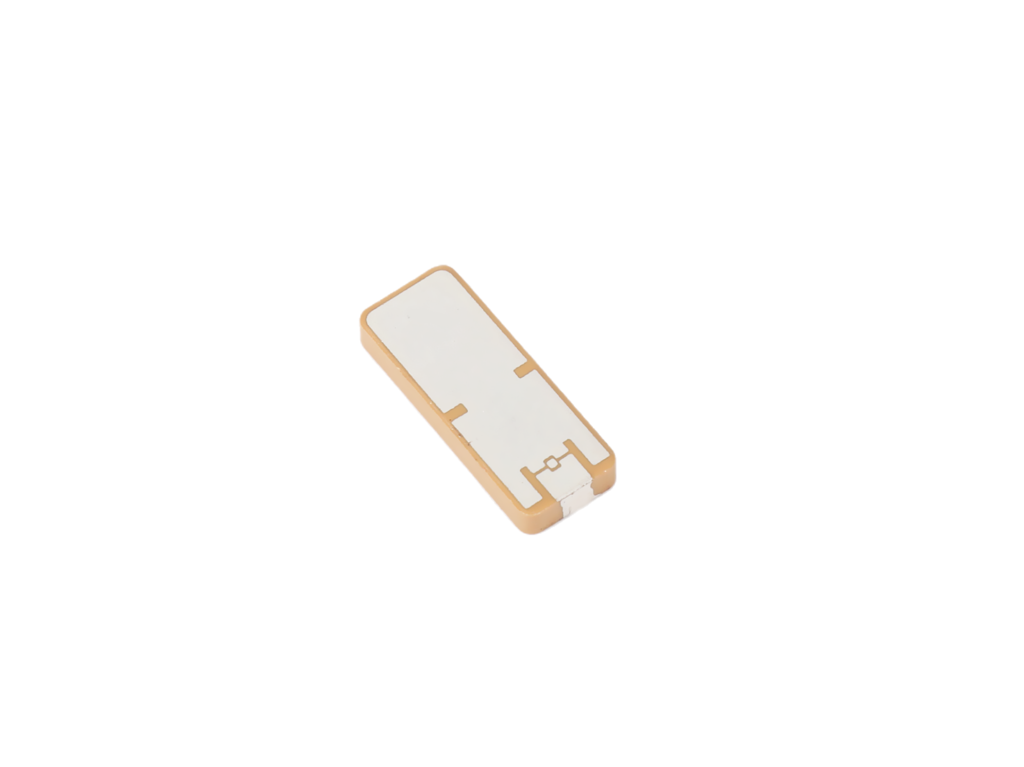
Ceramic GPS Antenna Compared with Traditional Antenna Types
| Feature |
Ceramic GPS Antenna |
Traditional Antenna |
| Size |
Compact structure for space-limited devices |
Usually requires larger installation space |
| Weight |
Lightweight ceramic material |
May require more structural space |
| Customization |
Supports frequency, size and pad design adjustments |
More limited design flexibility |
| Stability |
Strong thermal and electrical stability |
Performance may be affected by installation conditions |
| Applications |
GNSS, IoT, automotive and tracking devices |
General wireless applications |
How to Select the Right GPS Ceramic Antenna Solution
Choosing the correct antenna requires evaluating product requirements, operating environment and integration conditions.
Step 1: Confirm Frequency Requirements
First, identify the required positioning frequency band according to your application.
Common options include:
- GPS L1 frequency at 1575.42 MHz
- GPS + GLONASS applications
- BD + GPS positioning systems
The correct frequency selection helps achieve better matching performance and signal stability.
Step 2: Evaluate Installation Space
Before selecting a ceramic antenna, check:
- PCB dimensions
- Available grounding area
- Device structure limitations
- Installation position
VLG provides different antenna sizes, including:
- 25×25 mm
- 20×20 mm
- 18×18 mm
- 15×15 mm
- 12×12 mm
- 10×10 mm
Step 3: Discuss Customization Requirements
For special applications, engineers should confirm customization details with the supplier.
Important factors include:
- Antenna thickness
- Frequency bandwidth
- Polarization mode
- Soldering pad layout
VLG supports customized ceramic antenna solutions to help customers achieve better product integration.
Step 4: Verify Supplier Testing Capability
A professional antenna supplier should have reliable testing equipment and technical support capabilities.
VLG operates 18 microwave anechoic chambers equipped with testing systems from SATIMO, ETS and Bluetest, supporting passive and active antenna performance testing.
FAQ
1. What applications use ceramic GPS antennas?
Ceramic GPS antennas are widely used in GPS trackers, vehicle navigation systems, IoT devices, smart terminals and industrial monitoring equipment where compact and stable positioning performance is required.
2. Can VLG customize ceramic antenna designs?
Yes. VLG provides customized antenna solutions including antenna size, thickness, frequency range, polarization mode and soldering pad design to meet different device requirements.
Conclusion
Choosing a suitable ceramic antenna GPS solution can improve positioning reliability and simplify antenna integration for modern wireless devices. With customized design capabilities, advanced testing equipment and certified quality management systems, VLG supports customers in developing reliable antenna solutions for automotive, IoT and GNSS applications.
Whether you need a compact SMT ceramic antenna, a customized GPS antenna design or a complete GNSS antenna solution, VLG can provide professional technical support based on your product requirements.
CTA
Looking for a reliable GPS ceramic antenna supplier? Contact VLG today to discuss your project requirements, including antenna size, frequency range and product integration needs. VLG’s engineering team can help you develop a suitable antenna solution for your application.









 Home >
  +86 186 8871 1070


