Connected transportation is no longer a future concept hidden inside research labs. Autonomous driving, intelligent traffic systems, vehicle safety monitoring, and smart road infrastructure are already reshaping modern mobility. However, behind every connected vehicle ecosystem sits a less visible but extremely critical component: the antenna system.
Without stable wireless communication, even the most advanced autonomous platform can suffer from delayed positioning, interrupted data exchange, or unreliable vehicle-to-road coordination. This is why selecting the right OBU antenna custom factory has become increasingly important for companies developing intelligent transportation and connected vehicle systems.
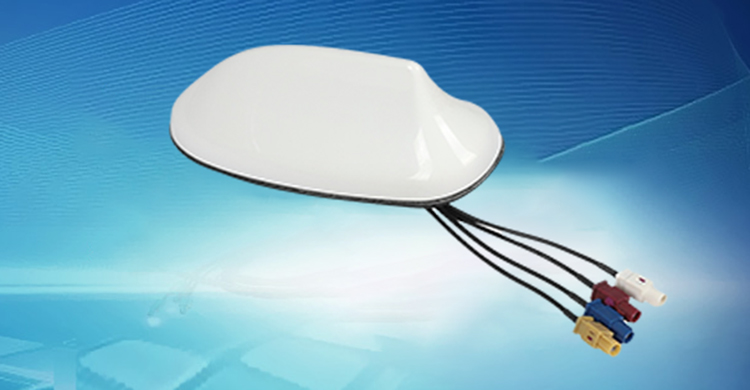
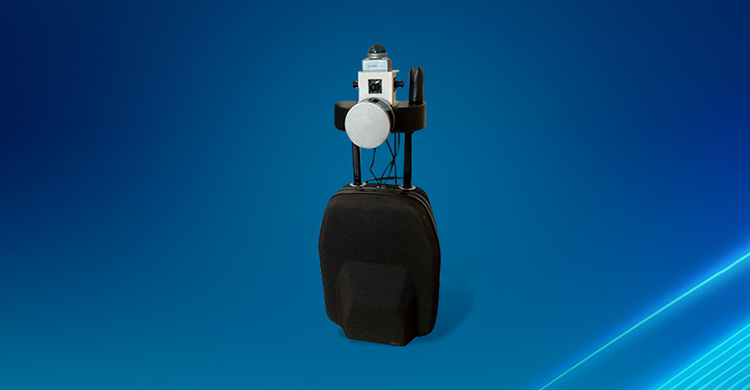
VLG’s 3in1 Multi-Mount 5G GNSS L1/L2 V2X combination antenna integrates 5G communication, high-precision GNSS positioning, and V2X networking into a compact vehicle-mounted solution designed for real-world transportation environments. Instead of relying on multiple standalone antennas, this integrated platform simplifies deployment while improving communication reliability across intelligent mobility applications.
Why Modern Intelligent Vehicles Need Integrated OBU Antennas
Modern vehicles process enormous amounts of real-time information every second. Navigation systems, road monitoring platforms, autonomous driving software, and cloud communication all depend on stable wireless connectivity.
Traditional antenna systems often create several deployment challenges:
- Multiple antennas increase installation complexity
- Separate modules consume additional vehicle space
- Signal interference affects communication stability
- Independent systems raise maintenance difficulty
- Wiring structures become harder to manage
An integrated OBU antenna solution helps simplify vehicle architecture while improving overall communication efficiency.
VLG combines 5G, GNSS L1/L2, and V2X technology into one coordinated antenna platform. This allows vehicles to maintain real-time positioning, high-speed communication, and continuous interaction with roadside infrastructure simultaneously.
For intelligent transportation developers, this integration reduces hardware complexity while supporting faster deployment cycles.
Understanding the Core Technologies Inside an OBU Antenna
Many buyers compare only frequency specifications during antenna selection. In reality, long-term communication stability depends on how different wireless technologies work together inside the system.
5G High-Speed Vehicle Communication
Modern autonomous systems generate massive amounts of operational data. Vehicles continuously exchange traffic conditions, sensor information, cloud updates, and navigation instructions.
The integrated 5G vehicle antenna supports:
- High-speed data transmission
- Low-latency communication
- Real-time cloud interaction
- Remote system management
- Continuous vehicle connectivity
This becomes especially important in dense urban traffic environments where communication delays can directly affect decision-making speed.

GNSS L1 and L2 High-Precision Positioning
Standard positioning systems may struggle in environments with signal reflection or interference. Autonomous vehicles require far greater positioning accuracy.
The GNSS OBU antenna supports both L1 and L2 frequency bands to achieve:
- Centimeter-level positioning accuracy
- More stable navigation performance
- Improved signal correction capability
- Better positioning consistency in urban environments
For autonomous driving systems, precise positioning improves route planning and environmental awareness.
V2X Communication Capability
Vehicle-to-everything communication allows vehicles to interact with surrounding infrastructure, nearby vehicles, and transportation systems.
V2X antenna solution technology enables:
- Vehicle-to-vehicle communication
- Vehicle-to-roadside interaction
- Real-time traffic information exchange
- Collision warning support
- Smart traffic coordination
As cities continue expanding intelligent transportation infrastructure, V2X communication becomes increasingly important for traffic safety and operational efficiency.
Common Problems Solved by Combination OBU Antennas
Connected transportation projects often face deployment challenges beyond wireless performance alone.
Limited Installation Space
Modern vehicles already contain cameras, radar systems, sensors, and onboard computing hardware. Installing multiple independent antennas increases space pressure.
A 3in1 combination antenna reduces hardware footprint by integrating multiple communication technologies into one enclosure.
Signal Stability in Complex Environments
Urban environments introduce signal reflections, interference, and communication interruptions. Poor antenna coordination may weaken positioning accuracy or communication stability.
Integrated antenna systems improve signal management between communication channels while reducing interference risks.
Maintenance Complexity
Vehicles operating across large transportation fleets require manageable hardware structures. Multiple independent communication systems create additional maintenance challenges.
Integrated vehicle communication antenna manufacturer solutions simplify troubleshooting and reduce component management complexity.
Real-World Application Scenarios
The flexibility of integrated OBU antennas allows deployment across various intelligent mobility environments.
Autonomous Driving Platforms
Autonomous vehicles rely heavily on stable communication and positioning systems.
The antenna supports:
- Real-time environmental awareness
- Autonomous route navigation
- Cloud-based decision synchronization
- Sensor coordination
- Vehicle safety monitoring
Reliable communication reduces system latency while improving driving response efficiency.
Smart Transportation Systems
Cities increasingly deploy intelligent transportation systems to improve traffic flow and reduce congestion.
Combination antenna platforms support:
- Traffic monitoring networks
- Smart roadside infrastructure
- Real-time traffic coordination
- Dynamic route optimization
- Intelligent signal management
This creates more responsive transportation ecosystems capable of adapting to real-time conditions.
Fleet Safety Management
Transportation operators require continuous monitoring of vehicle conditions and operational safety.
Integrated OBU antenna systems help support:
- Real-time vehicle tracking
- Driver behavior monitoring
- Emergency communication
- Predictive maintenance systems
- Remote diagnostics
These functions improve operational visibility while enhancing transportation safety management.
Smart Logistics and Commercial Vehicles
Commercial transportation increasingly depends on connected systems for route optimization and cargo monitoring.
A high precision OBU antenna solution helps logistics systems maintain stable communication during long-distance transportation operations.
What Buyers Usually Compare Before Choosing an OBU Antenna Supplier
Selecting the right antenna platform involves more than checking frequency bands or connector types.
Communication Integration Capability
Some suppliers provide separate communication modules that require additional engineering integration.
Integrated antenna systems simplify:
- Installation
- Signal coordination
- Hardware management
- Maintenance processes
- Deployment speed
This becomes particularly valuable for transportation projects with large deployment scales.
Customization Flexibility
Vehicle platforms vary significantly depending on transportation applications.
A professional OBU antenna custom factory should support:
- Mounting customization
- Connector options
- Cable length adjustments
- Waterproof design optimization
- Frequency tuning requirements
Customization helps ensure compatibility across different vehicle structures and deployment environments.
Long-Term Reliability
Transportation hardware operates under vibration, weather exposure, and continuous movement.
Reliable antenna systems must maintain stable performance across:
- High-temperature environments
- Rain exposure
- Vehicle vibration
- Urban electromagnetic interference
- Long operational cycles
Durability directly affects long-term maintenance costs and communication reliability.
Why Integrated OBU Antennas Are Replacing Traditional Configurations
Traditional multi-device antenna systems often increase deployment complexity without improving communication efficiency.
Integrated solutions provide several advantages:
- Cleaner installation structure
- Lower signal interference
- Reduced cable complexity
- Easier maintenance
- Better space utilization
- More stable communication coordination
As intelligent transportation systems continue evolving, integrated communication architecture is becoming the preferred approach for connected vehicle deployments.
Why VLG Supports Modern Intelligent Transportation Projects
VLG focuses on wireless communication and industrial antenna solutions designed for advanced transportation environments.
The company supports intelligent mobility projects through:
- Custom antenna development capability
- 5G and V2X communication expertise
- GNSS high-precision positioning integration
- Vehicle-grade antenna engineering
- Smart transportation deployment experience
- Flexible OEM and ODM support
Its 3in1 Multi-Mount 5G GNSS L1/L2 V2X combination antenna helps simplify intelligent vehicle communication systems while improving operational reliability in real deployment environments.
Conclusion
As connected transportation systems become more advanced, stable communication and accurate positioning are no longer optional features. They are foundational requirements for autonomous driving, smart traffic management, and intelligent vehicle safety systems. Choosing the right OBU antenna custom factory helps transportation developers reduce integration complexity, improve wireless reliability, and support scalable intelligent mobility deployments.
VLG’s integrated 5G, GNSS, and V2X antenna platform combines high-speed communication, centimeter-level positioning, and real-time vehicle networking into a compact and deployment-friendly solution. For organizations building the next generation of smart transportation infrastructure, integrated OBU antenna systems provide a practical path toward safer, faster, and more connected mobility environments.









 Home >
  +86 186 8871 1070


